I've been thinking about faces lately. Not in a strange way. Just... how much faces mean to us. How much we remember about the people we've lost. The curve of a smile. The way someone's eyes crinkled when they laughed. These details fade so quickly. It's heartbreaking, really.
My neighbor lost her mother last spring. She showed me an old photograph recently. "I can barely remember her face now," she said. "This is all I have left." That hit me hard. Really hard.
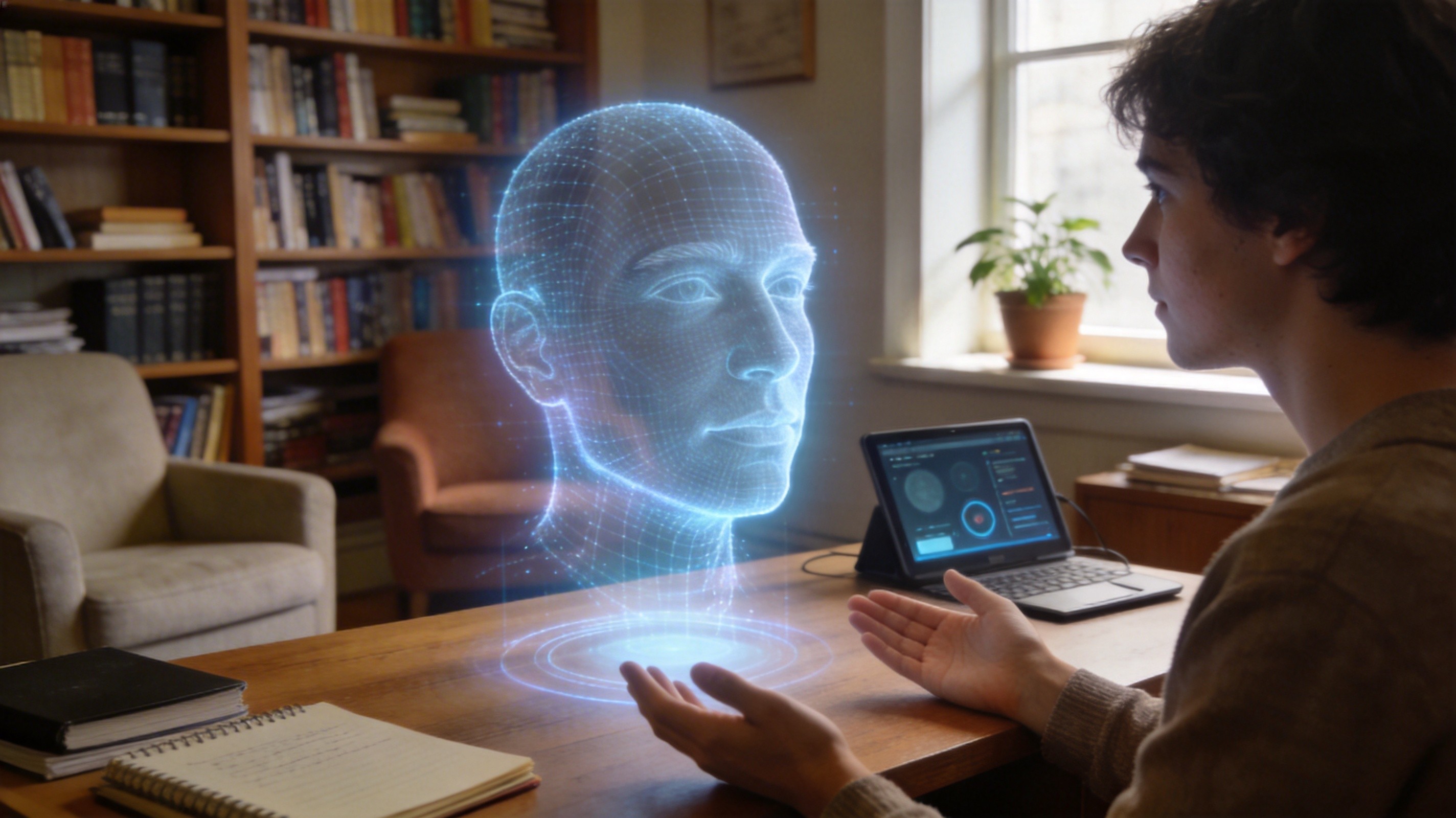
So I started researching. Looking into how technology might help. And I found this whole world of AI-powered 3D facial reconstruction. It's fascinating. And honestly, a little emotional to learn about.
Here's how it works. AI systems analyze hundreds of photographs. Different angles. Different lighting. Then they build a 3D model. Not just a static image. A model you can rotate. Examine. Study. Some systems can even animate the face. Recreate expressions. Movements.
To be honest, when I first understood what this technology could do, I got a little teary. Not because it felt creepy. But because I thought about my grandfather. He died when I was twelve. I have maybe three clear photographs of him. They're faded. Not great quality. My memory of his face is becoming less distinct every year.
What would I give to see him clearly again? Just for a moment?
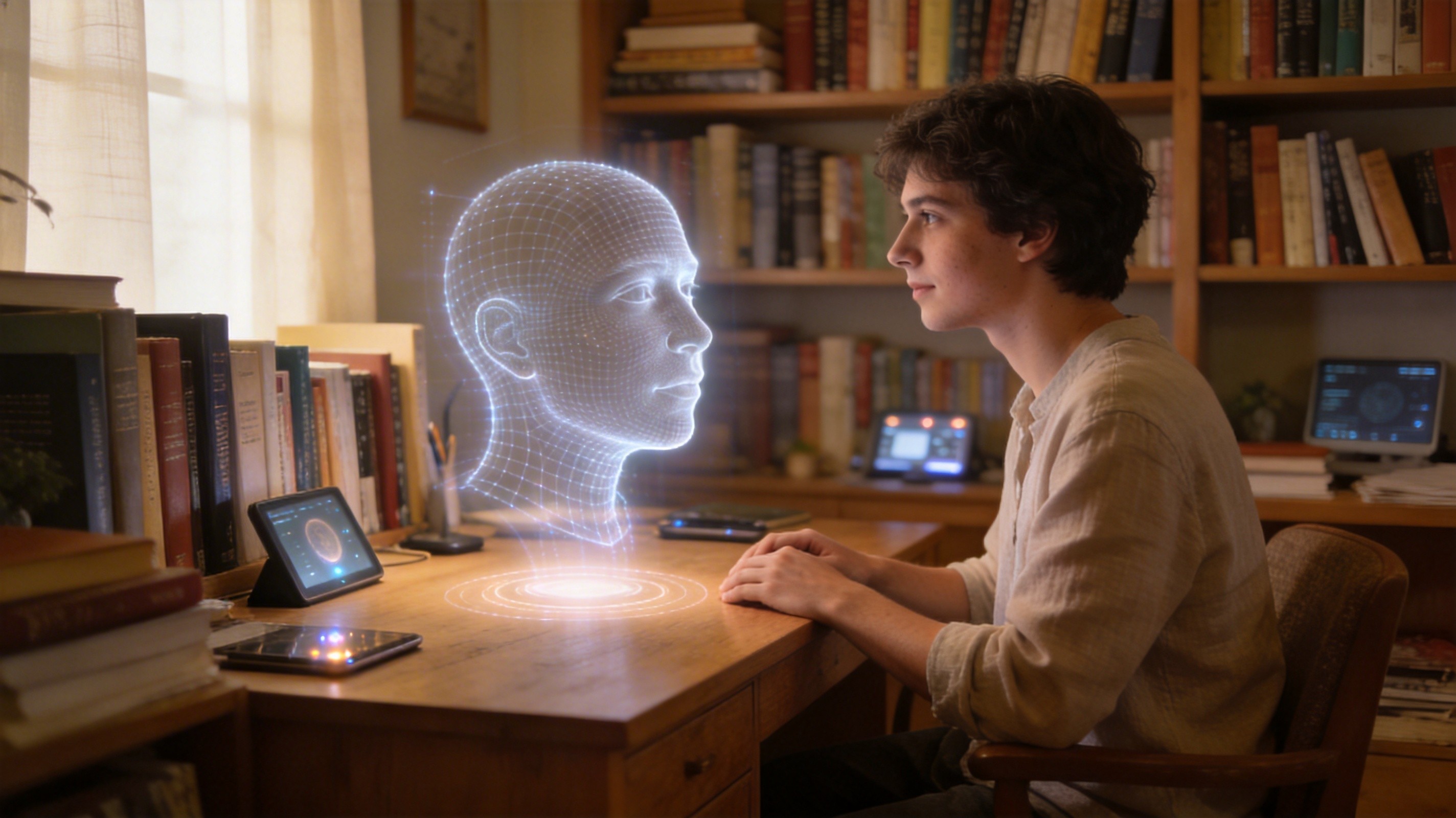
But here's what I appreciate about the people building this technology. They're being careful. Really thoughtful about how it's used.
I talked to a team working on this. They told me something that stuck with me. "We're not trying to fool anyone. We're not creating fake people. We're creating tools for memory. For healing. There's a difference."
And I think they're right. There's a huge difference between pretending someone is still alive and simply wanting to remember them more clearly.
One thing that helps with grief, according to therapists, is maintaining connection. Remembering the person as they truly were. Not as we might idealize them. Not as our grief might distort them. But clearly. Honestly.
That's what good 3D reconstruction can offer. Clarity. A way to see someone clearly again.
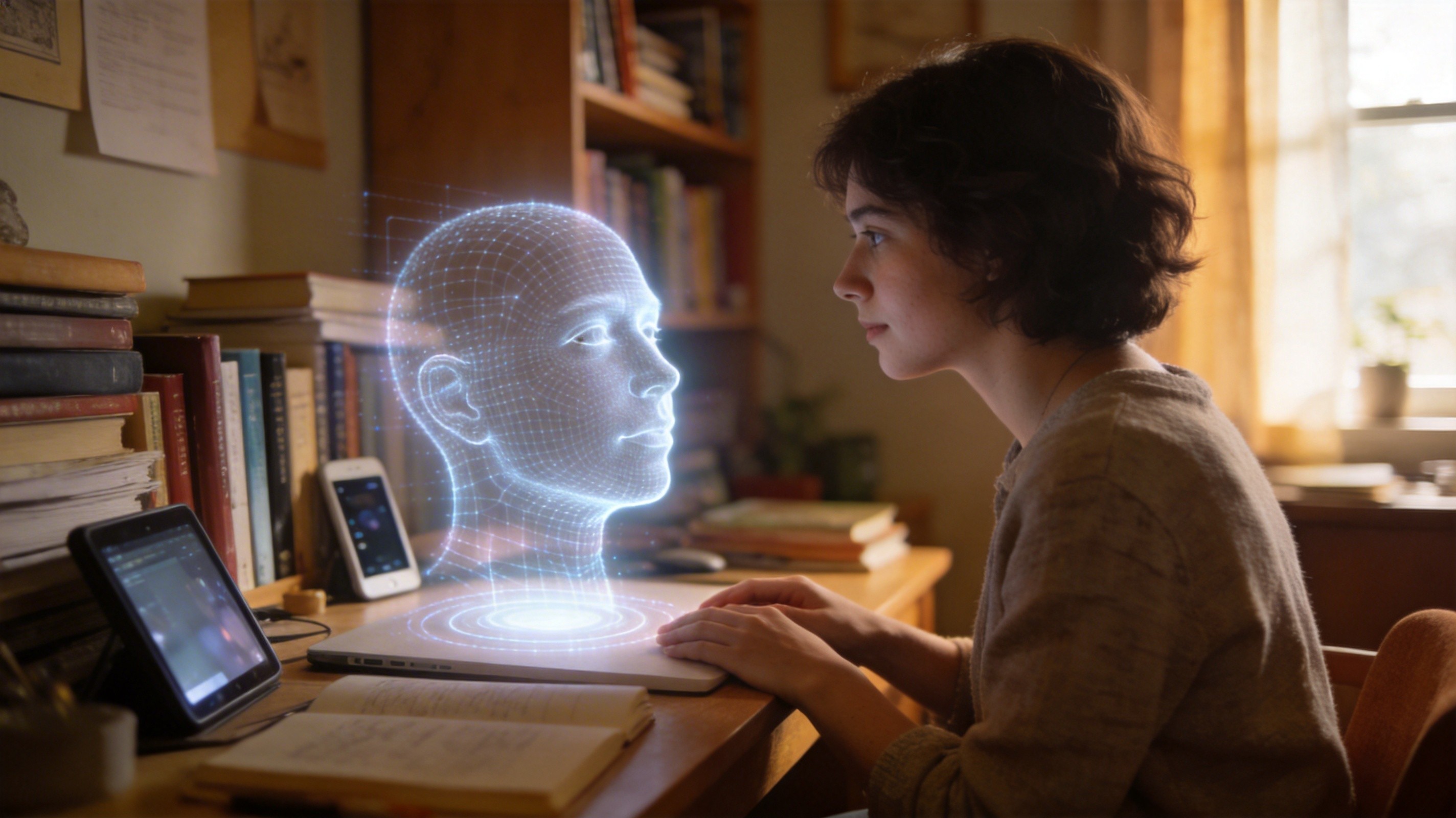
My neighbor tried one of these systems recently. She was nervous. Almost scared, honestly. "What if it doesn't look like her?" she asked. "What if I've forgotten so much that nothing will feel right?"
The results surprised her. Not perfect. Some approximations in the reconstruction. But the essence was there. Her mother's eyes. The particular way her face shaped when she smiled. "It was her," my neighbor told me. "Not a photograph. Not a video. But her somehow. I can't explain it."
She cried. Happy tears mixed with sad ones. And she said something beautiful. "Now I can show my grandchildren what grandma looked like. They never got to meet her. But now they'll know her."
That's powerful. That's really, really powerful.
Of course, there are concerns. There should be. Consent is huge. Privacy matters. We don't want these technologies used in harmful ways. For creating fake content. For deception. Those are real dangers.
But for healing? For memory? For helping grieving families connect with people they've lost? I think there's something meaningful here. Something worth exploring carefully.
One thing I've learned through all this research. Grief isn't linear. It doesn't have a clear path. Sometimes we need different tools at different times. Sometimes a photograph helps. Sometimes a voice recording. And sometimes, maybe, a 3D model can offer something the others can't.
Not a replacement. Never a replacement. But a supplement. A way to remember. A way to heal.
To anyone reading this who has lost someone. You're not alone. And your memories matter. However you choose to hold onto them, whatever tools help you carry that weight, that's okay. That's good, actually.
Technology isn't going to bring our loved ones back. But it might help us remember them more clearly. And in that remembering, maybe find some comfort.
That's worth it. I think that might be worth quite a lot, actually.