I was at a tech conference last month. You know the scene. Hundreds of people, loud conversations, startup pitches everywhere. I found this quiet corner. Sat down with my coffee. And I heard something that stopped me cold.
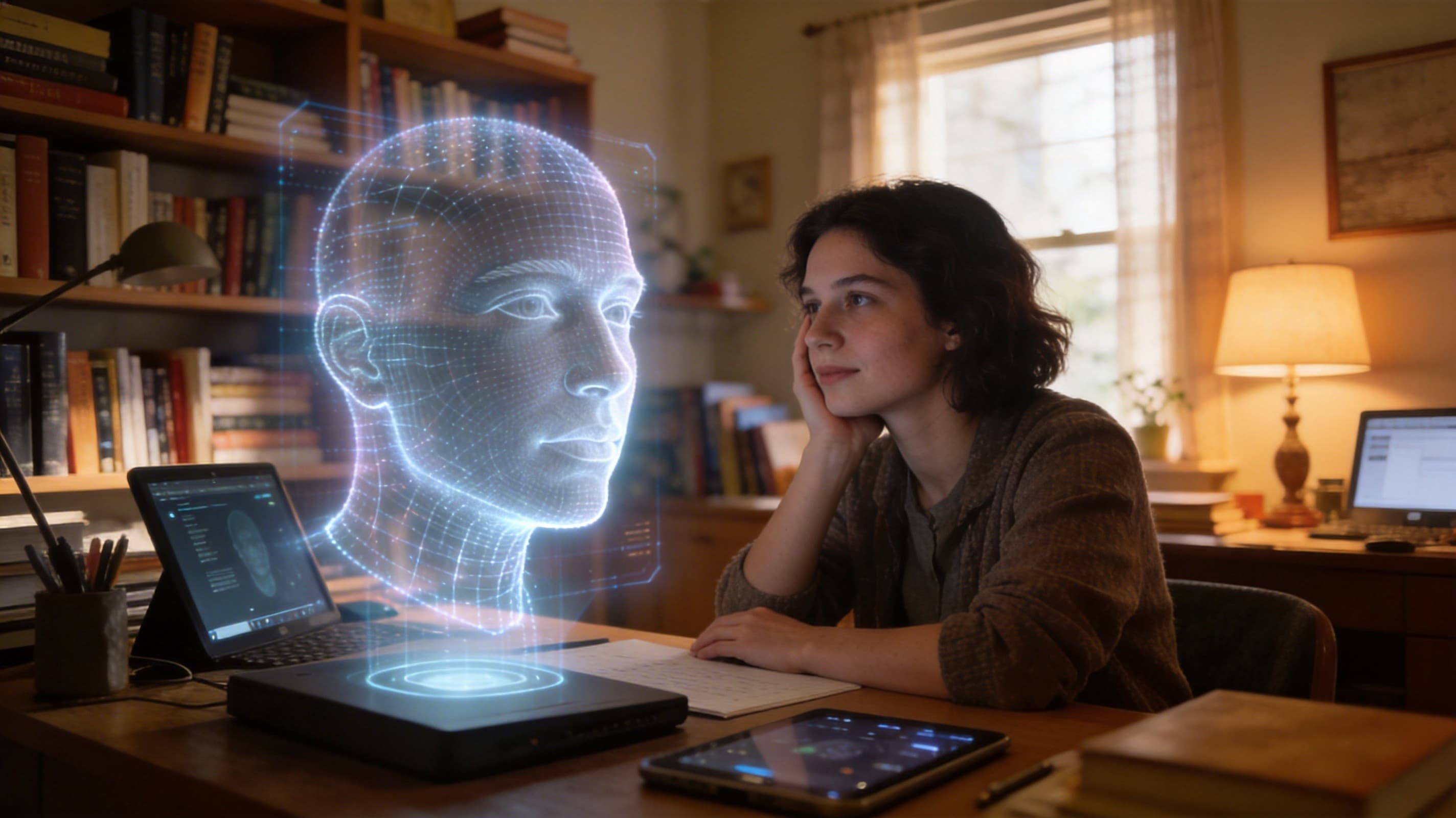
Someone was demonstrating voice cloning technology. Taking a five-second audio clip and generating hours of speech. The voice was almost perfect. Almost. That tiny gap between "almost" and "real" gave me chills.
Here's my thing. Voice cloning for memorial purposes? I get it. I really do. My best friend lost his father last year. He would give anything to hear his dad's voice again. Just to hear him say "proud of you" one more time.
But we need to talk about this carefully. Really carefully.
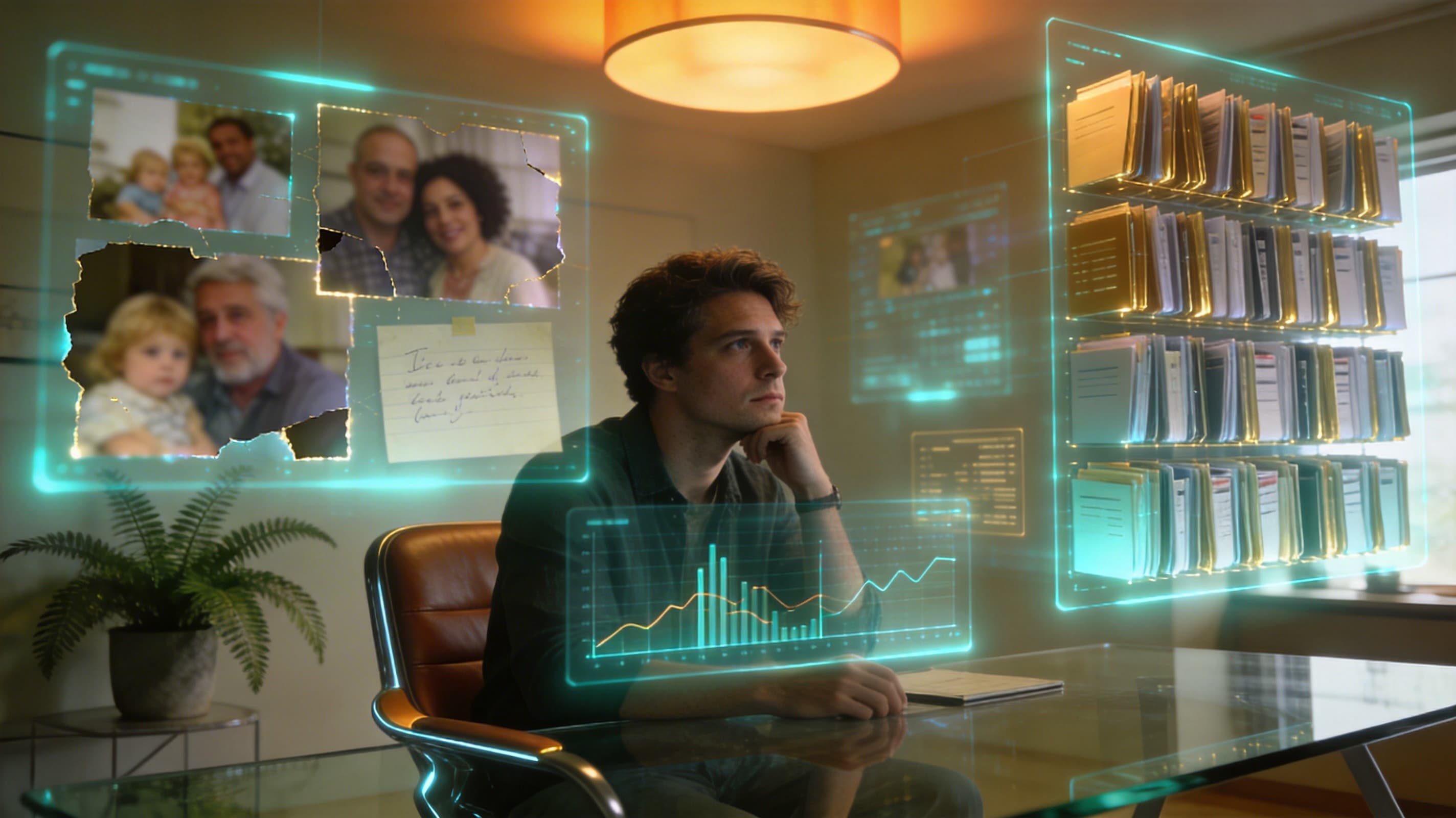
To be honest, the consent question keeps me up at night. How do you get permission from someone who's gone? You can't. That's the brutal reality. And once that voice exists digitally, who controls it? Who decides how it's used?
I spent weeks reading about this. Academic papers. News articles. Forum discussions from grieving families. And honestly? There's no clean answer. No universal right or wrong.
One case stuck with me. A woman in California used her late husband's voice recordings to create birthday messages for her kids. She's done it for three years now. Her kids are teenagers. They know these aren't really from their father. But they appreciate the gesture. The intent behind it.
Is that healthy? I don't know. I'm not a therapist. But it works for her family. And honestly, that's what matters most.
Another thing that bothers me. Some tech companies are marketing these tools directly to grieving people. Right when they're most vulnerable. Most desperate. That's predatory. Full stop.
There was this startup I found online. They advertised "bringing your loved one back." That language. That framing. It's manipulative. It's wrong. You're not bringing anyone back. You're creating a digital approximation that can never truly be that person.
But here's where it gets complicated. What if the person wanted this? What if someone specifically asked to be "preserved" this way? My grandmother, for example. She was terrified of being forgotten. She mentioned AI once. "If there's a way for future generations to hear me, I want that." Direct quote. I remember it clearly.
So does that make it okay? Does documented wishes change the ethical calculus?
I'm genuinely asking. I don't have a final answer. And I think that's the honest position to take right now. We should all be asking these questions together. Families. Tech companies. Ethicists. Regulators.
Actually, let me share something else. I interviewed a grief counselor named Maria. She's been working with bereaved families for fifteen years. "The danger isn't in hearing the voice," she told me. "The danger is in believing the relationship can continue as it was. That's where people get hurt."
That's stayed with me. Because technology can simulate presence. But it can't simulate relationship. The give and take. The growth. The mutual influence. Those things require living people.
So what do we do? Here's my current thinking. And I'm still working through this, honestly.
Voice cloning for memorial can be appropriate in specific contexts. When there's clear consent. When it's used sparingly. When families have honest conversations about what it is and isn't. When it's supplemental to grief processing, not a replacement for it.
It should never be marketed as "bringing someone back." That's a lie. Full stop.
And companies building these tools have responsibilities. Transparency. Clear guidelines. Support resources. Mental health information. Not just selling a product and walking away.
One more thing. Think about your own voice. Your own legacy. Do you want this? Have you told anyone? If not, maybe that's a conversation worth having. Not because you need to consent to this specific technology. But because we should all have more conversations about what happens to our digital selves after we're gone.
That's not morbid. That's responsible.
I'm still thinking through all of this. Still uncertain in many ways. But I think that's okay. We need to hold space for complexity. For questions without easy answers.
What do you think? I'd genuinely like to know. This conversation is far from over.