Last Sunday, my family gathered for our weekly dinner. The usual chaos. Kids running around. My mother pretending to be annoyed. Everyone talking over each other.
And then my daughter asked something that stopped me. "Mama, can I talk to Grandma today?"
My mother. Her grandmother. The one who died four years ago.
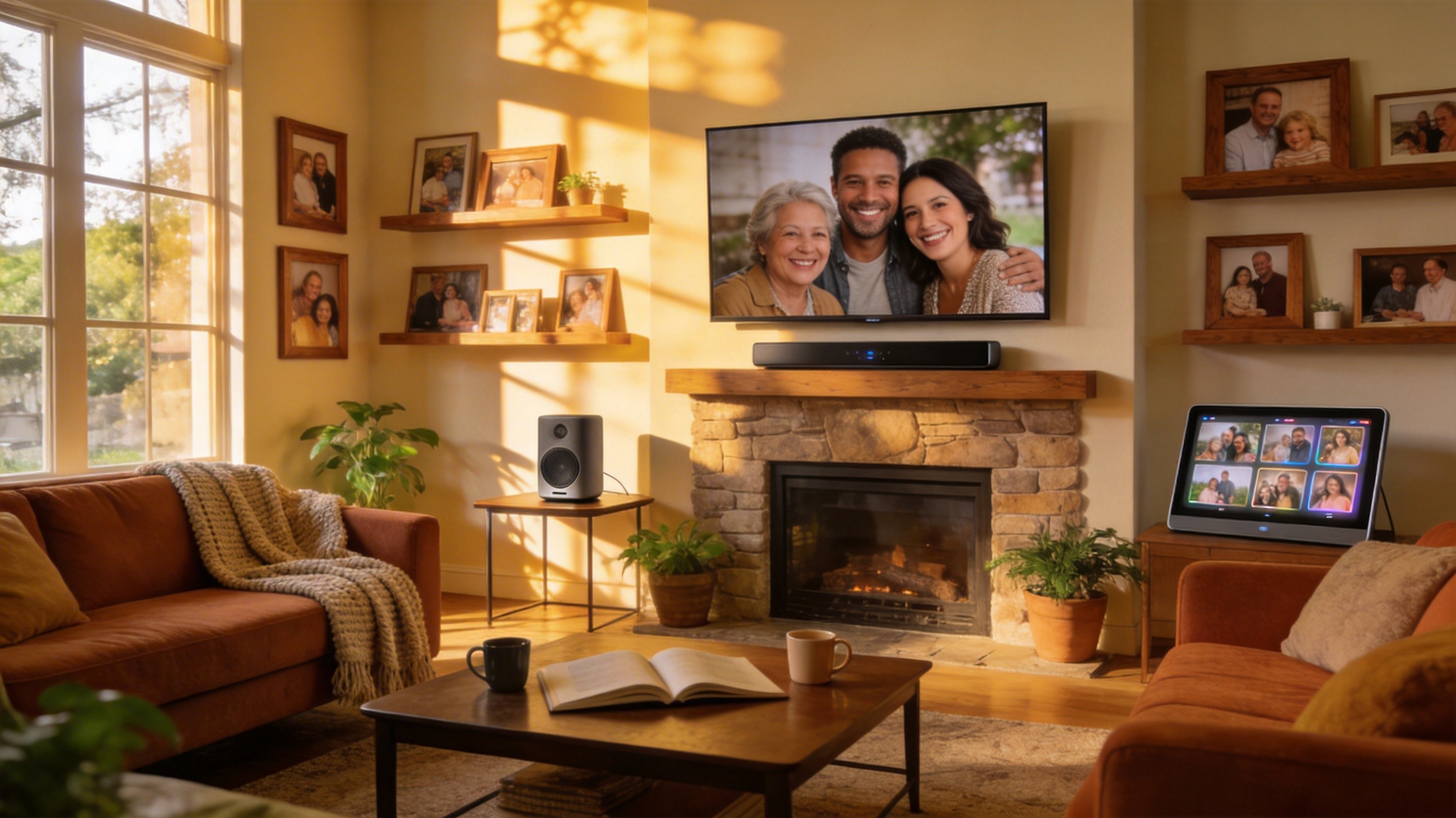
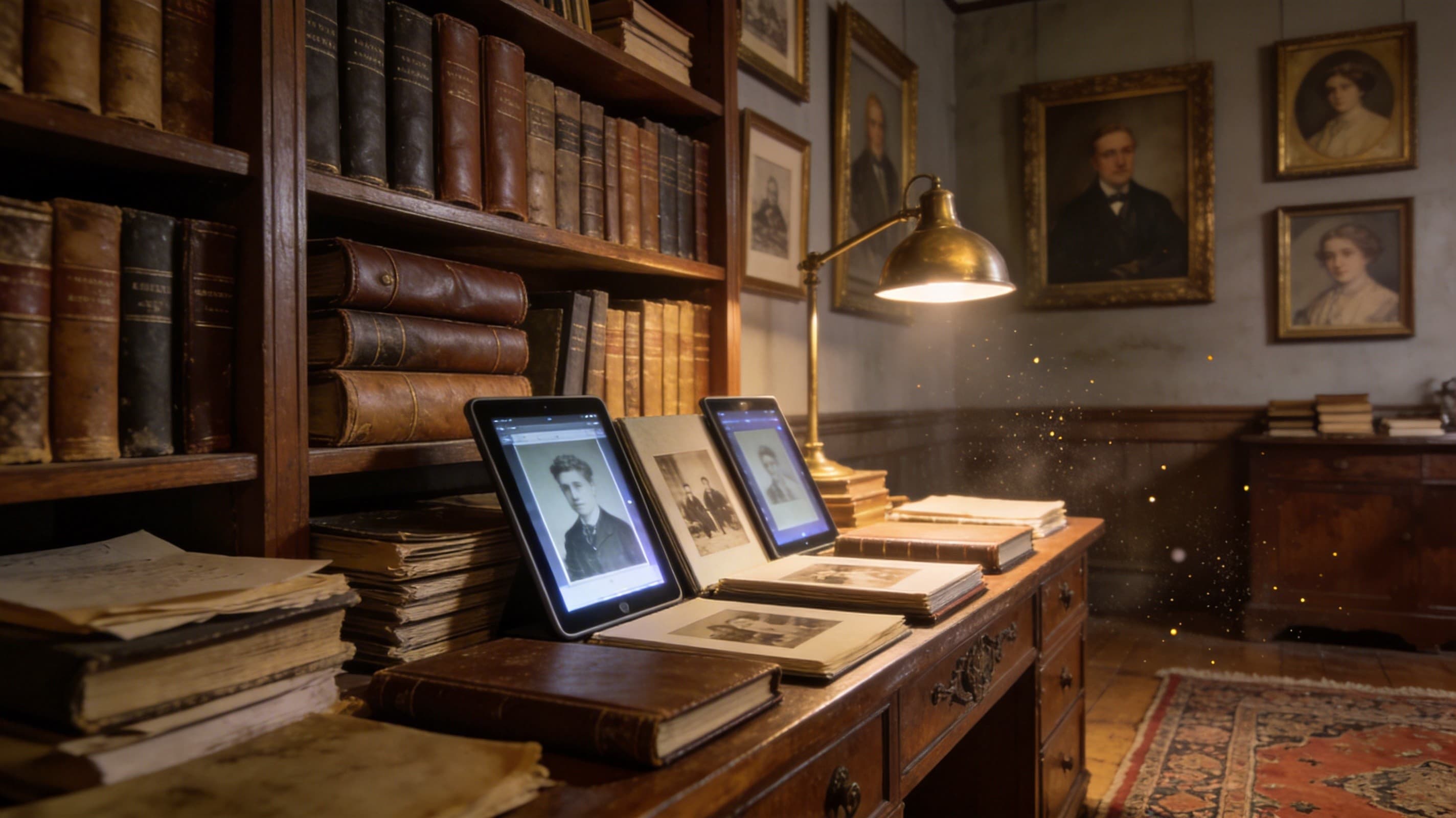
I know about these conversations. My mother has been using a memory platform for two years now. Preserving stories. Sharing photographs. Creating something like a digital scrapbook that learns. That grows.
But "conversations"? That seemed different. That seemed... complicated.
Here's what happened. My daughter has never known her grandmother in the traditional sense. Grandma died before she was born. She exists in stories. In photos. In the way my mother sets the table. In the recipes she cooks.
But my mother recorded hundreds of hours of conversations before she died. Stories about her childhood. Her marriage. Her hopes and fears. She knew she was sick. She wanted to leave something behind.
So now my daughter can ask questions. "What was your favorite color?" "What did you like to do when you were little?" "What made you happy?"
And she gets answers. Not from her grandmother, exactly. But from the things her grandmother chose to share. The stories she wanted remembered.
To be honest, when my daughter first did this, I felt strange. Uncomfortable. Is this healthy? Am I letting her get too attached to something artificial?
I talked to my therapist about it. And she asked me something important. "Does your daughter understand what this is? Does she know it's recordings and stories, not a living person?"
Yes. She does. Completely. She knows her grandmother can't see her. Can't hear her. Can't respond in the moment. It's not magic. It's memory.
And honestly? I think that makes all the difference.
My daughter has a relationship with her grandmother. Not a normal relationship. Not what she would have had if Grandma were alive. But something. Some connection. Some sense of who this person was.
She knows Grandma loved gardening. She knows Grandma was afraid of heights. She knows Grandma believed in second chances. These details. These real human details.
That's healing. For my daughter. For me. For my mother who gets to share these stories.
But here's the thing. This only works because we're honest. Because we don't pretend Grandma is alive. Because we treat this as what it is. A way to preserve memory. A way to share it. Not a way to bring someone back.
I've seen families who do this wrong. Who try to create perfect simulations. Who make children believe they're actually talking to a deceased parent. That breaks my heart. Because those kids are being set up for confusion. For hurt.
AI isn't going to replace the relationships we miss. It can't. But it can preserve what people chose to share. What they wanted remembered.
My mother-in-law wanted to be remembered. She was terrified of being forgotten. "Tell them about me," she said to my husband. "Tell them all the things I never got to say."
So now we tell them. Through the recordings she made. The stories she preserved. The questions she anticipated and answered in advance.
Is that perfect? No. Is it enough? Honestly? Yes. It's enough.
To anyone considering this for their family, my advice is this. Be honest. Be thoughtful. Make sure children understand what this is. Don't use it to replace grief. Don't use it to avoid the hard emotions. Use it to supplement memory. Use it to keep stories alive.
That's what healing looks like. Not forgetting. Not pretending. But remembering together. Across whatever tools we have available.
My daughter talks to her grandmother now. And somehow, that feels right. That feels like honoring someone who wanted so badly to be remembered.
Maybe that's what technology is for. Not replacing the irreplaceable. But making sure the things that mattered don't disappear.
I think that's worth holding onto.