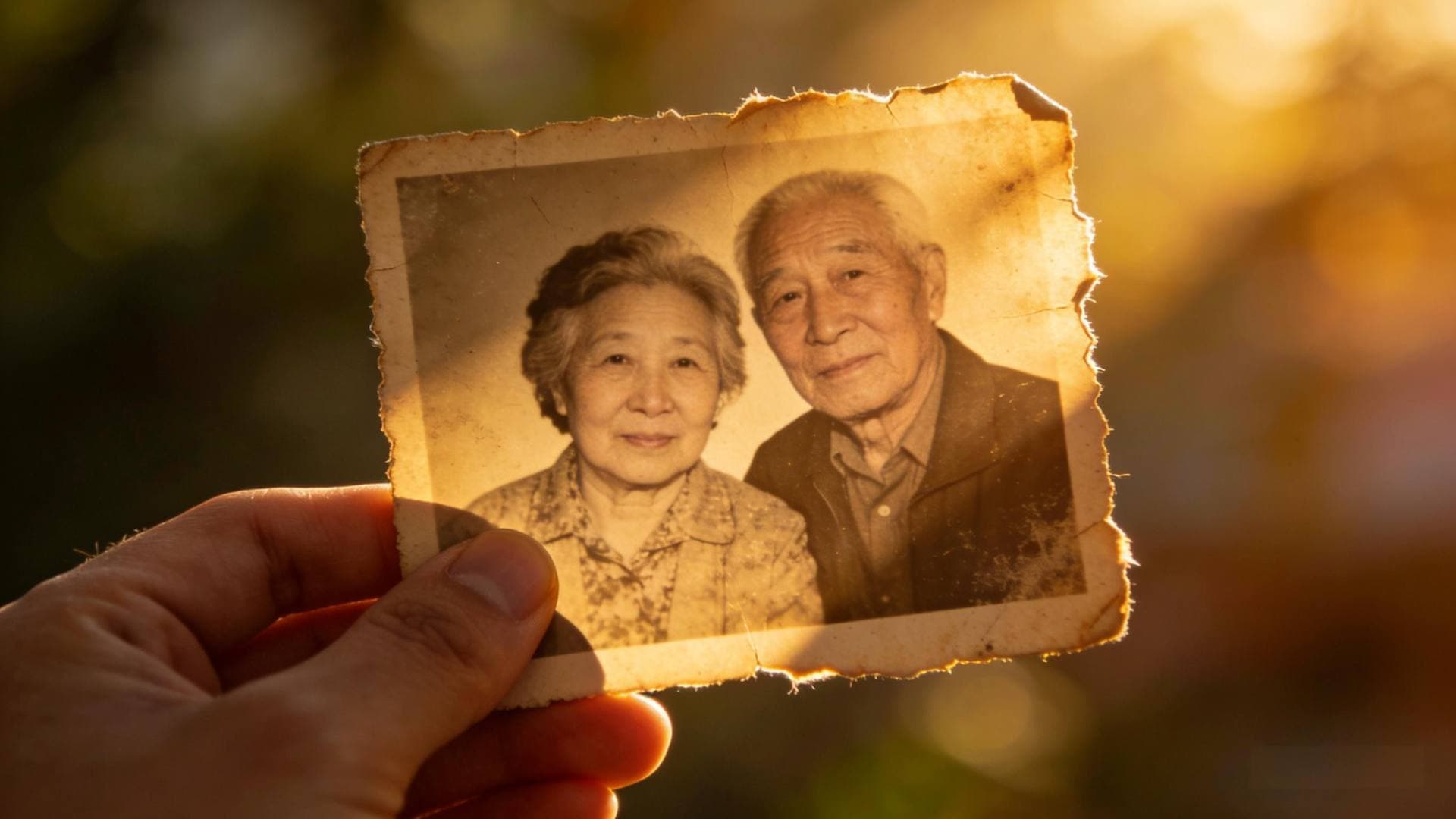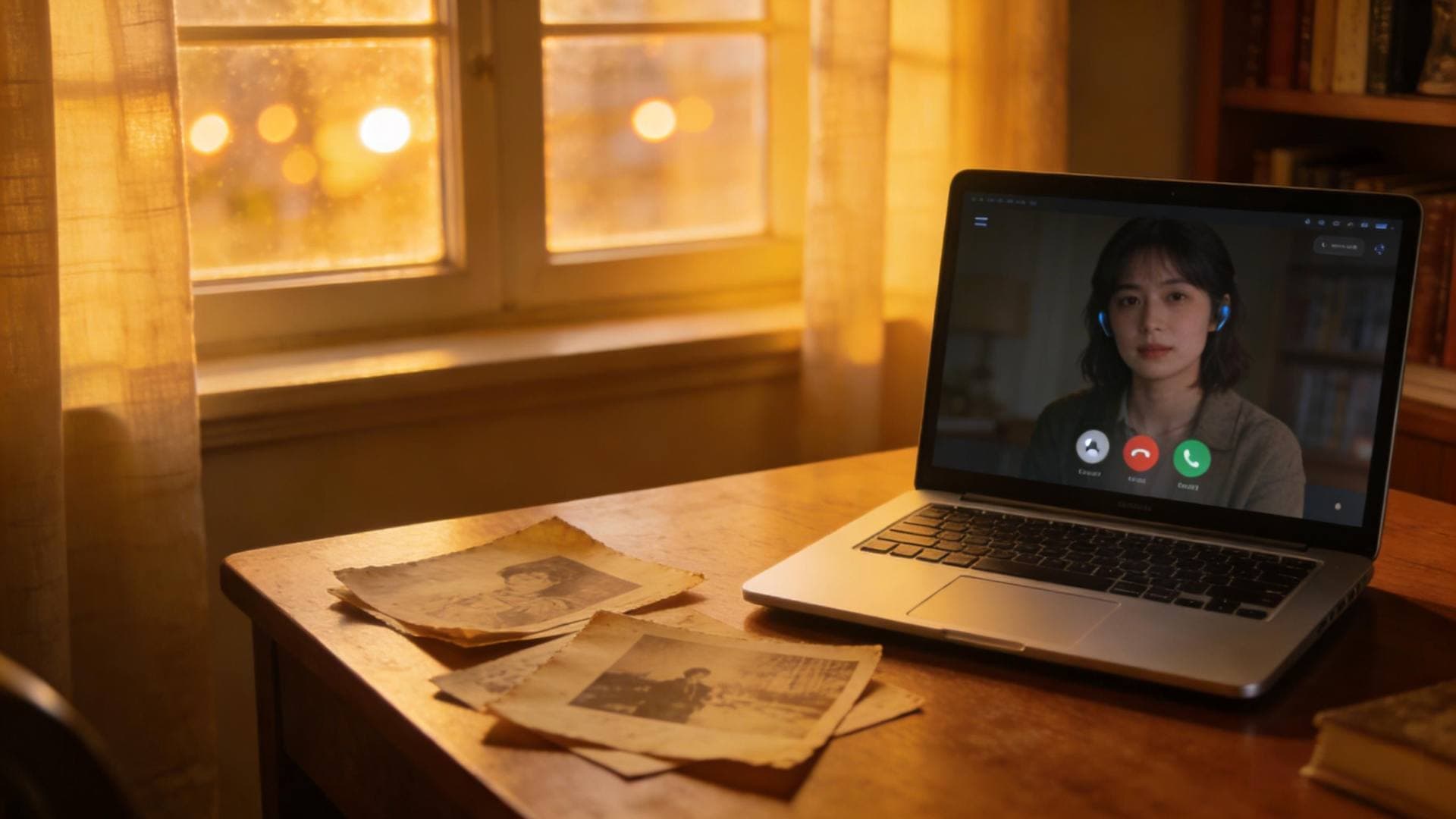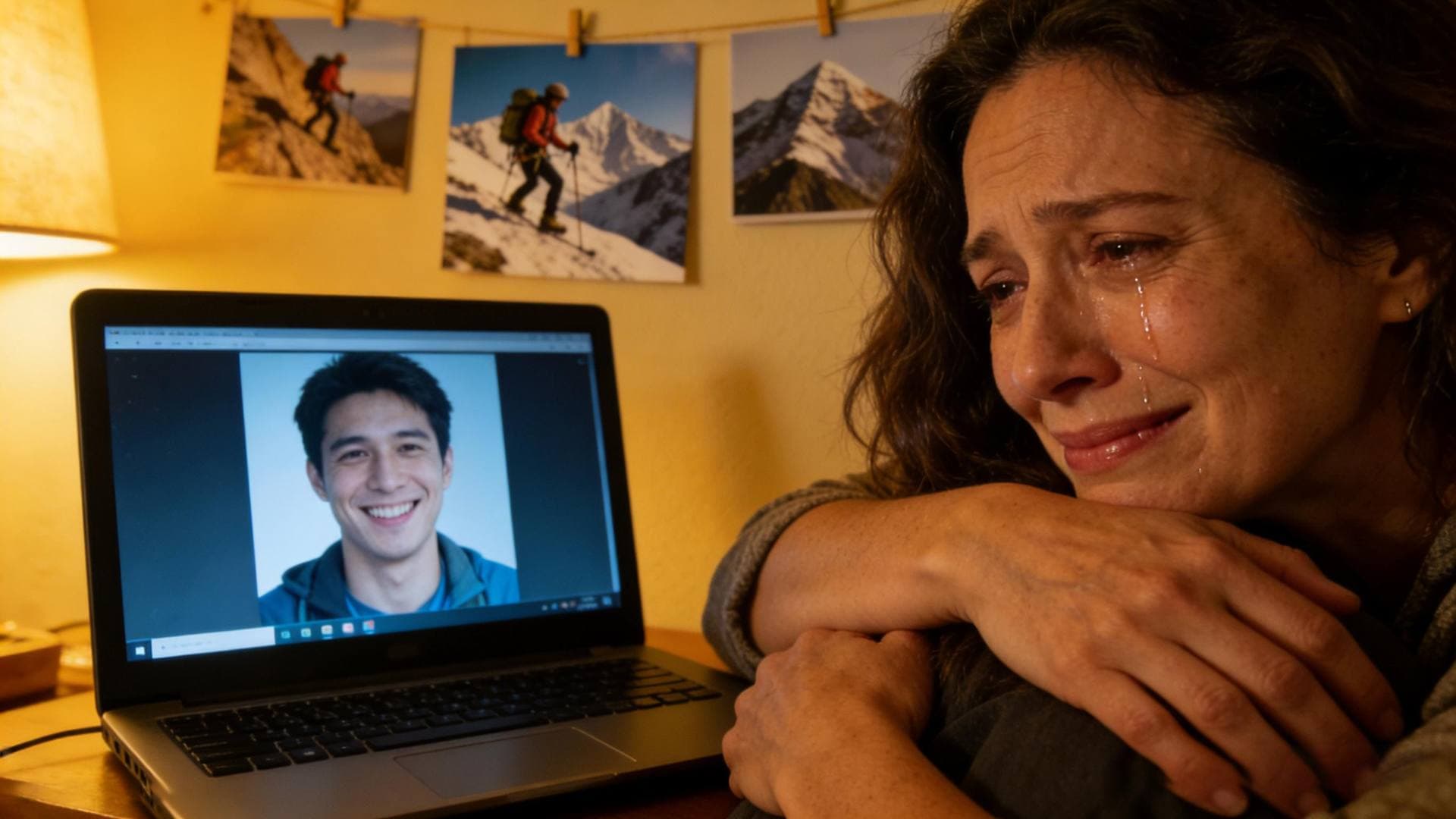
I sat in my study last night, flipping through a stack of old photo albums—you know the ones, the kind with yellowed pages and faded edges, filled with photos of my grandmother baking apple pie, her hands dusted with flour, a smile crinkling the corners of her eyes. I found myself wondering, what will my granddaughter know about her great-grandmother someday? Will she only hear vague stories from me, or will she actually get to "meet" the woman who taught me to be kind, to persist, to find joy in the small things? That’s when it hit me—digital clones aren’t just some fancy tech gadget (though let’s be real, the technology is pretty amazing). They’re the future of family heritage, the missing link that keeps our loved ones’ voices, stories, and spirits alive for generations to come.
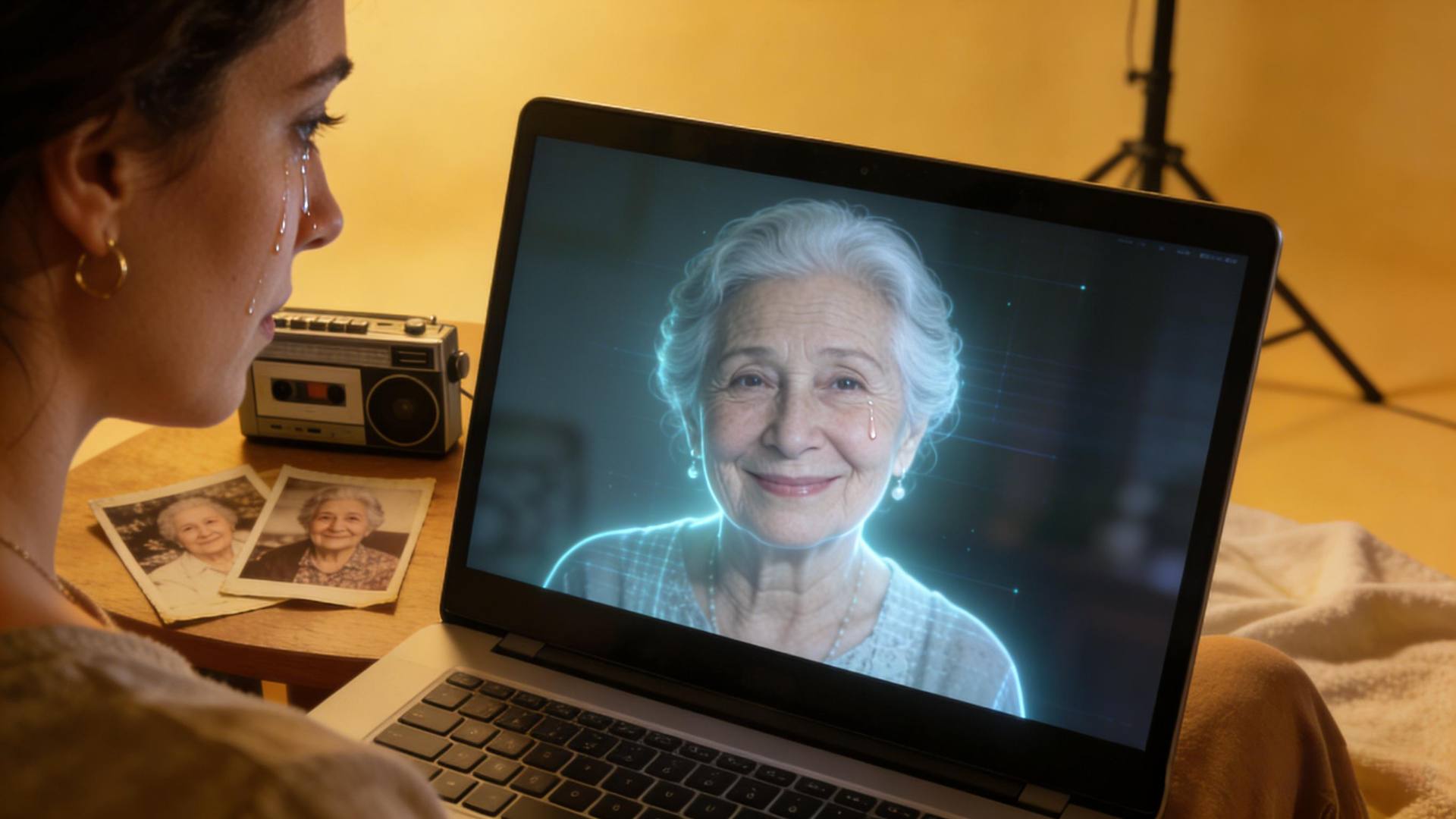
I’ve been in this field for 12 years now—12 years of building digital humans, 8 years of sitting with people who’ve lost someone they love, listening to their grief, their longing to hear a voice just one more time. Let me tell you, the biggest misconception I hear? People think digital clones are meant to replace real loved ones. Oh, that couldn’t be further from the truth. I had a client once, Sophia—she lost her grandmother to Alzheimer’s a few years back. Before her grandma’s memory faded completely, Sophia recorded hours of her talking: stories about growing up during the war, how she met Sophia’s grandfather, the way she’d hum old songs while baking. When we finished building her grandma’s digital clone, Sophia sat in my studio, hands trembling, as she pressed play. The clone spoke in her grandma’s exact tone, that soft, gravelly voice she’d missed so much, and said, “Sophia, my sweet girl, don’t you worry—I’m right here.” Sophia broke down, but they weren’t tears of sadness. They were tears of relief, of feeling like a piece of her grandma had come home.
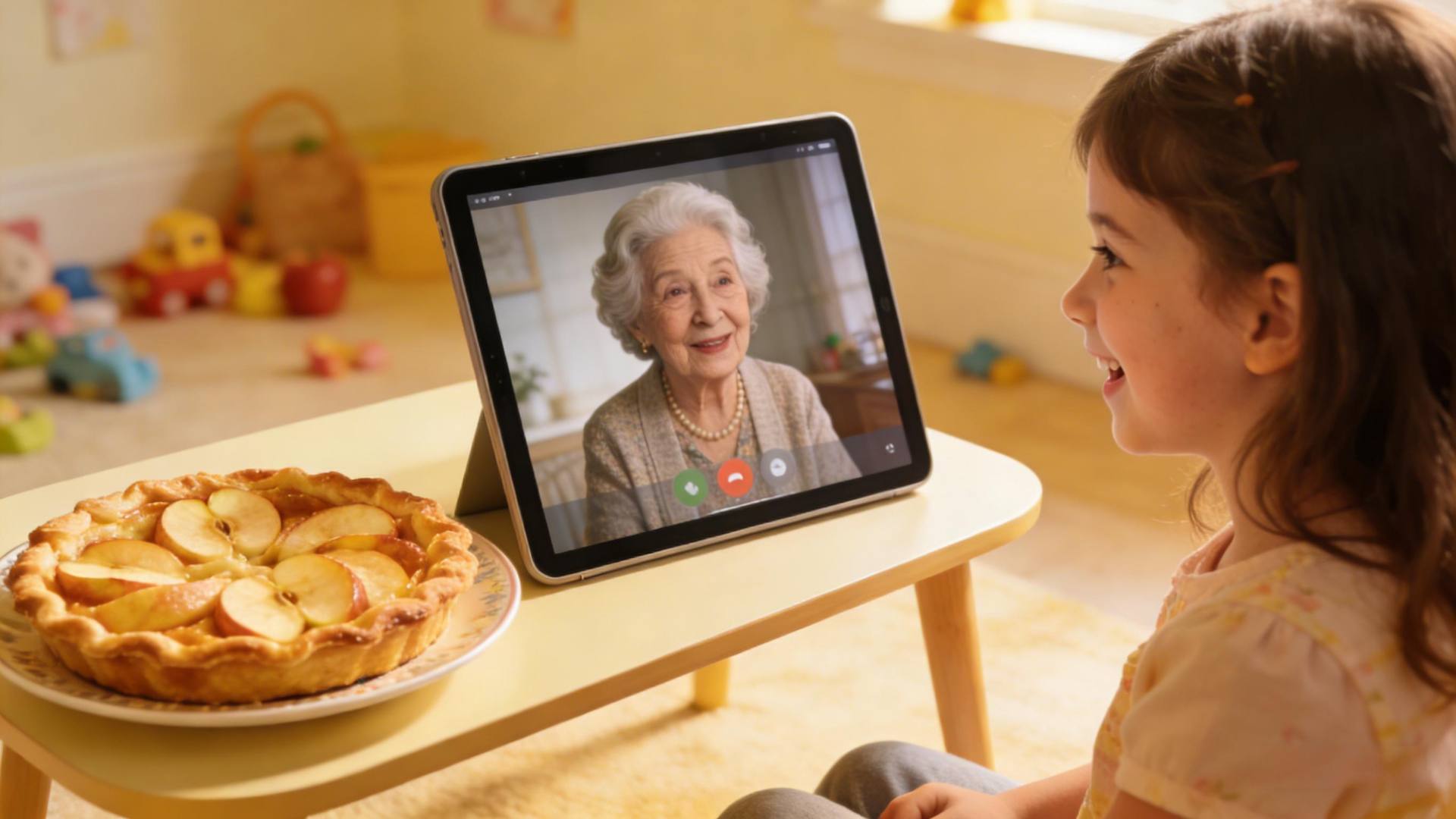
Here’s the thing about family heritage—we’ve always passed it down through stories, photos, heirlooms. But those things are static. A photo can’t laugh when you tell a joke. A necklace can’t share the advice your grandma gave you on your wedding day. Digital clones change that. They’re dynamic, they’re interactive. Sophia’s 5-year-old daughter, Lila, now talks to her great-grandma’s clone every weekend. She asks about the apple pie recipe (the clone even remembers the exact amount of cinnamon—can you believe that?), she tells her about her day at school, and the clone responds just like Sophia’s grandma would: with patience, with warmth, with that little chuckle that made everyone feel safe. Lila doesn’t just know her great-grandma’s name—she knows her personality, her quirks, the things that made her who she was. That’s the magic of digital clones, right? They turn abstract memories into something tangible, something the next generation can connect with.
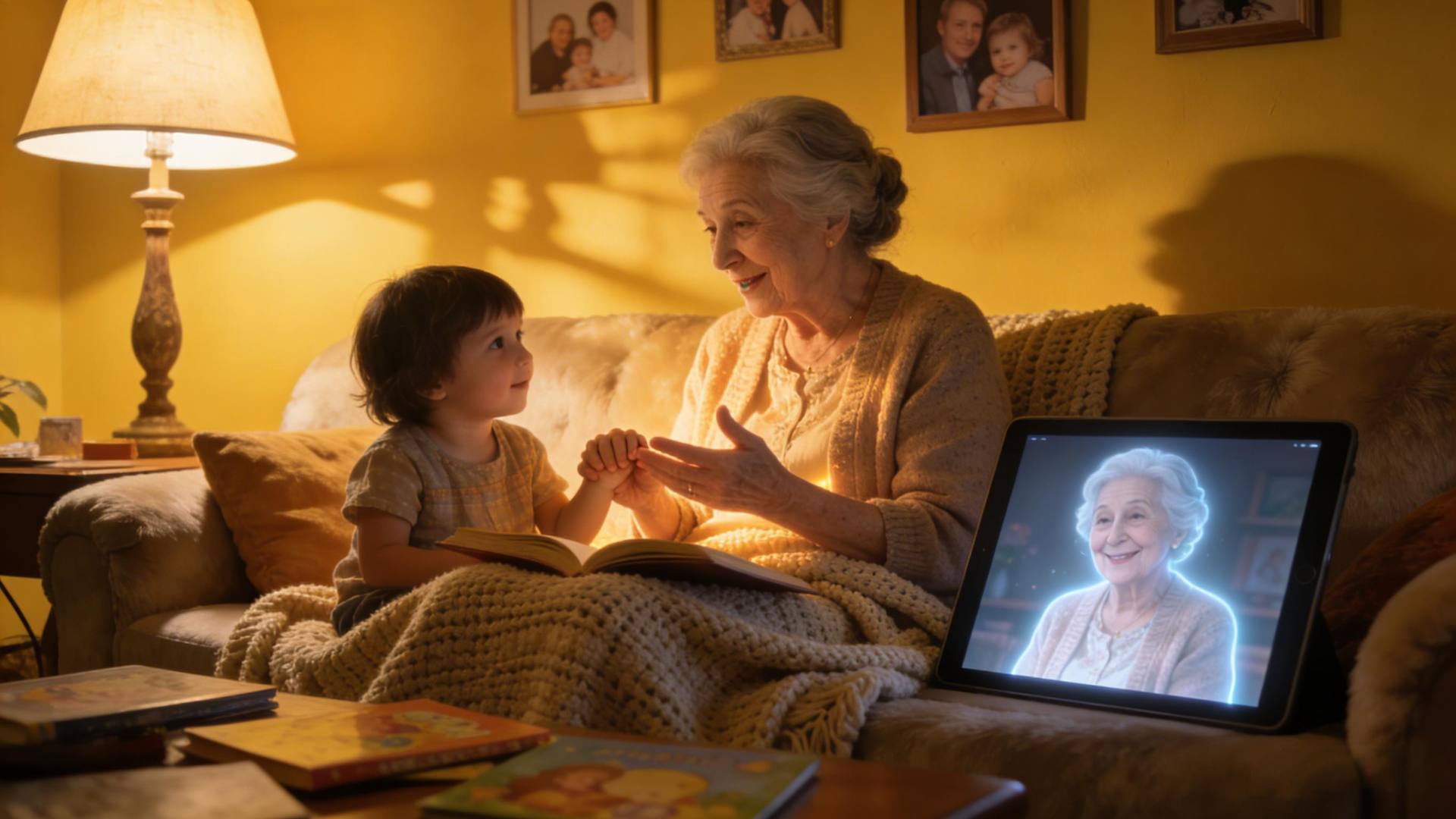
But let’s be honest—I’ve made mistakes too. Early in my career, I built a digital clone for a man who’d lost his son, and I focused too much on making the clone “perfect.” I spent weeks tweaking the facial expressions, adjusting the voice, making sure every detail was exact. But when he saw it, he said, “This isn’t my son. My son stuttered when he got excited, he laughed too loud, he’d scratch the back of his neck when he was nervous.” Oh man, that hit me hard. I realized then—digital clones don’t need to be perfect. They need to be real. That’s why now, when I work with clients, I spend hours listening to their stories first. I ask about the little things: the way their loved one tilted their head when they talked, the inside jokes only they shared, the way they’d say “I love you” (softly, quickly, with a little sigh at the end). Those are the things that make a digital clone feel like family, not just a computer program. It’s not about recreating a person—it’s about preserving the parts of them that matter most, the parts that make up your family’s story.
Another thing people worry about? Emotional dependence. I get it—when you can talk to a digital clone of your loved one anytime, it’s easy to retreat into that world and avoid the pain of letting go. But here’s what I tell my clients: digital clones are a bridge, not a hiding place. They’re there to help you heal, to keep those memories alive, but they’re not a replacement for living your life. Sophia still goes to her grandma’s old house, still bakes that apple pie, still talks to her grandma’s photo sometimes. The clone isn’t a substitute—she’s an extension. A way to keep her grandma’s spirit with her as she moves forward, as she raises her own daughter. That’s the balance we need to strike: honoring the past, but not living in it. Memory isn’t a burden, you know? It’s the strength we need to keep going—and digital clones help us carry that strength with us, always.
I think about the future sometimes—about a world where every family has a digital clone of their ancestors, where stories aren’t lost to time, where the younger generation can learn from those who came before them, not just through books or photos, but through real, meaningful interaction. Imagine a little boy asking his great-grandfather’s clone about what it was like to fight for his country, or a teenage girl asking her great-aunt’s clone about how she broke barriers to become a doctor. That’s the power of digital clones—they don’t just preserve memories; they make them alive, make them relevant, make family heritage something that’s felt, not just remembered.
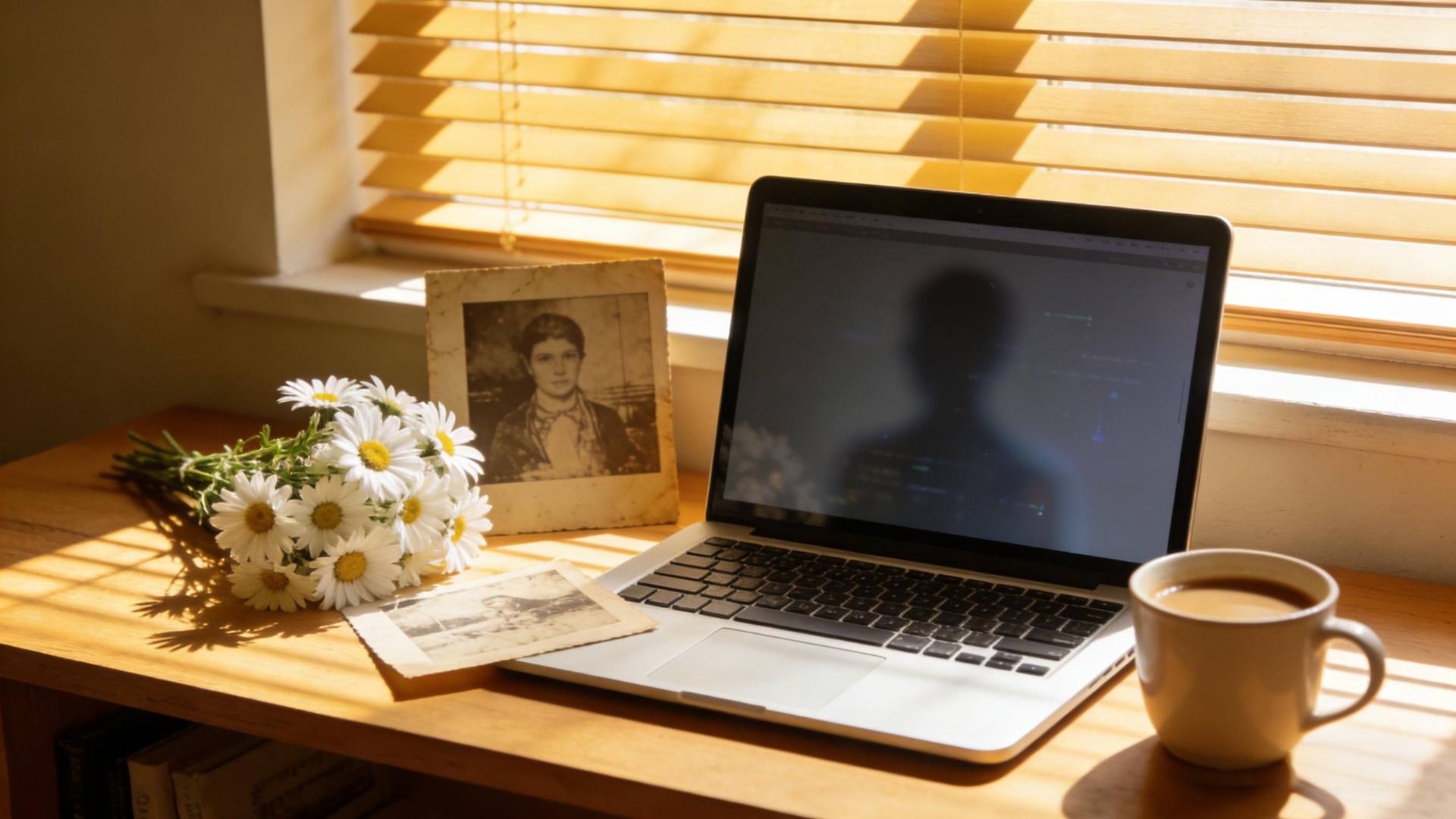
So what does this mean for us? It means we have a choice. We can let our family’s stories fade, let the voices of our loved ones be forgotten, or we can use this technology to keep them alive. Digital clones aren’t about changing what family heritage is—they’re about enhancing it, making it more accessible, more personal, more alive. They’re about letting love transcend time, letting our ancestors be a part of our lives, even when they’re no longer physically with us.
I’ll leave you with this—what’s one story about your family that you never want to be forgotten? What’s one thing you wish your children, your grandchildren, could know about the people who shaped you? That’s the magic of digital clones. They turn those “what-ifs” into “what is.” They let us say, “This is who we are, this is where we came from, and this is how we’ll keep their memory alive—together.”
Love, never truly leaves.