The other day I was going through my grandfather's old photo albums. You know the ones. Those thick books with sticky pages and that particular smell of old paper. It got me thinking. What happens to all the stuff we create now? The videos, the voice messages, the random selfies we take at 2 AM?
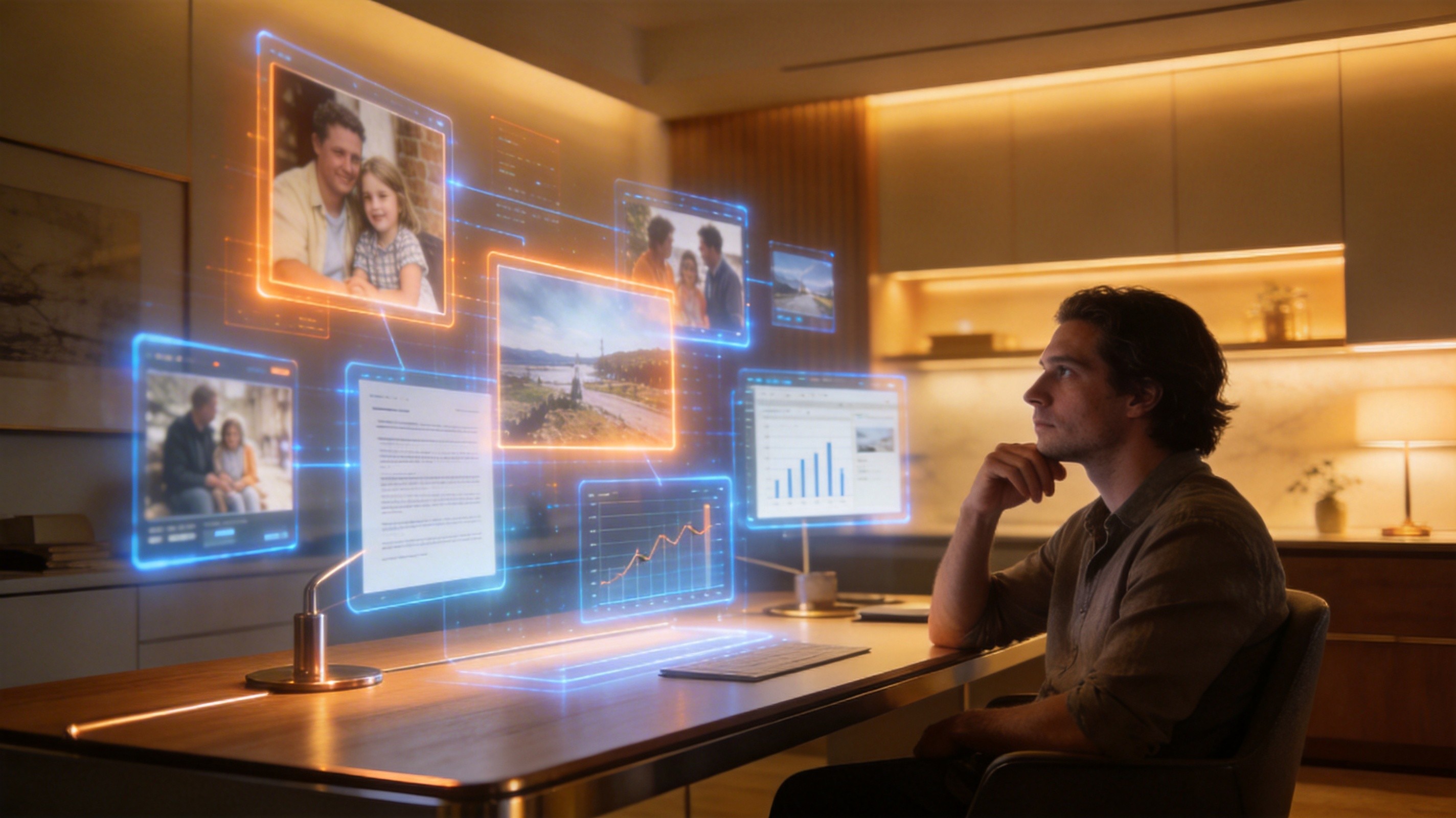
Here's the thing. We live in this incredible moment. AI multimodal models can actually process text, images, audio, and video all at once. Think about that for a second. Your grandmother's handwritten recipes. Her voice recordings. Family videos from twenty years ago. All of it could be connected, searchable, alive.
Actually, I spent three months researching this topic. Three months diving into academic papers and tech blogs. And honestly? The possibilities are both exciting and a little overwhelming.
To be honest, what really got me was this project I found. A team in Tokyo is working on systems that can take a single old photograph and reconstruct the surrounding context. The sounds, the conversations, the weather that day. It's not perfect. The AI makes mistakes. But it's trying.
One thing that keeps coming up in my research is this idea of "digital legacy." We throw the term around a lot. But what does it actually mean for families? For someone like my mom who still prints out photos because she doesn't trust cloud storage?
I talked to Dr. Sarah Chen at MIT. She's been working on multimodal learning for eight years. "The goal isn't to replace memory," she told me. "It's to augment it. To give families more ways to connect with their history."
That distinction matters. Because some tech companies want to create these perfect digital avatars. Reanimate the dead in ways that might actually hurt grieving families. That's a different conversation entirely.
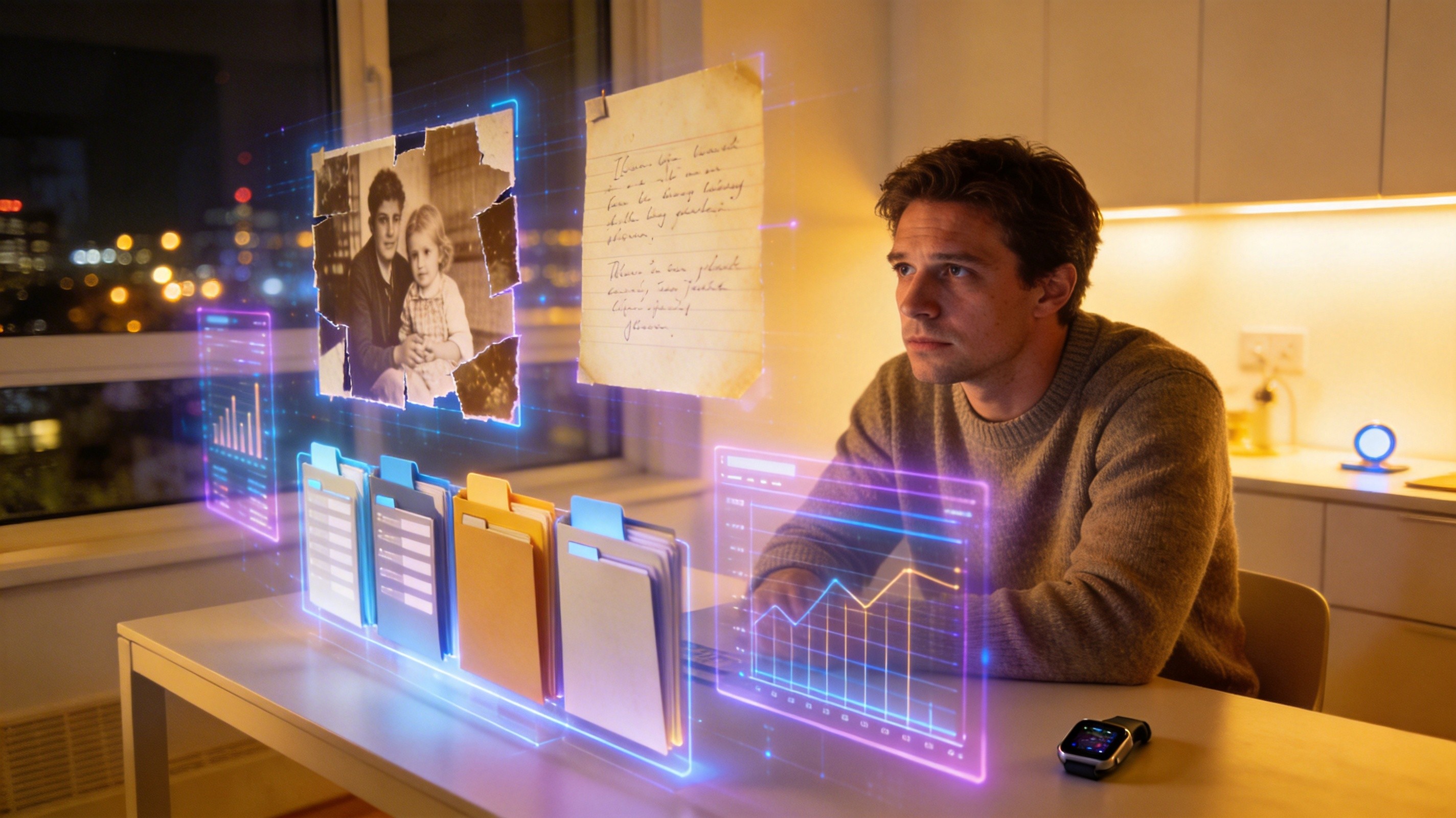
But multimodal models for legacy preservation? That's something else. It's about preservation first. About making sure tomorrow's kids can actually know their great-grandparents. Not through some creepy chatbot. But through authentic preserved moments.
Here's a practical example. My cousin has kids now. They're four and six. They know my grandmother died before they were born. But they have zero connection to her. Zero. She exists only in stories. If we had better tools five years ago, we could have preserved her voice, her mannerisms, her way of telling stories.
The technology exists now. It's getting better every month. Companies are building platforms specifically for this. Not social media archives. Not cloud backups. Real digital legacy tools.
Actually, I should mention something important. Privacy concerns here are massive. These systems require access to incredibly personal data. Family conversations. Private moments. Health information. We need to think carefully about who controls this data. Who can access it. How it's protected.
I'm not saying don't use these tools. I'm saying use them thoughtfully. Do your research. Understand what you're signing up for.
To be honest, after everything I've learned, I'm cautiously optimistic. This technology has the potential to change how families preserve their histories. But it's not magic. It won't bring anyone back. It won't replace human connection.
What it can do is this. It can preserve the small moments. The everyday details that slip away so easily. My grandmother's laugh. The way she said certain words. The recipes she never wrote down.
Those things matter. And now, finally, we have tools that can help keep them alive.
Think about your own family. What moments would you want to preserve? Start there. Start small. And maybe, just maybe, your grandchildren will thank you for it.
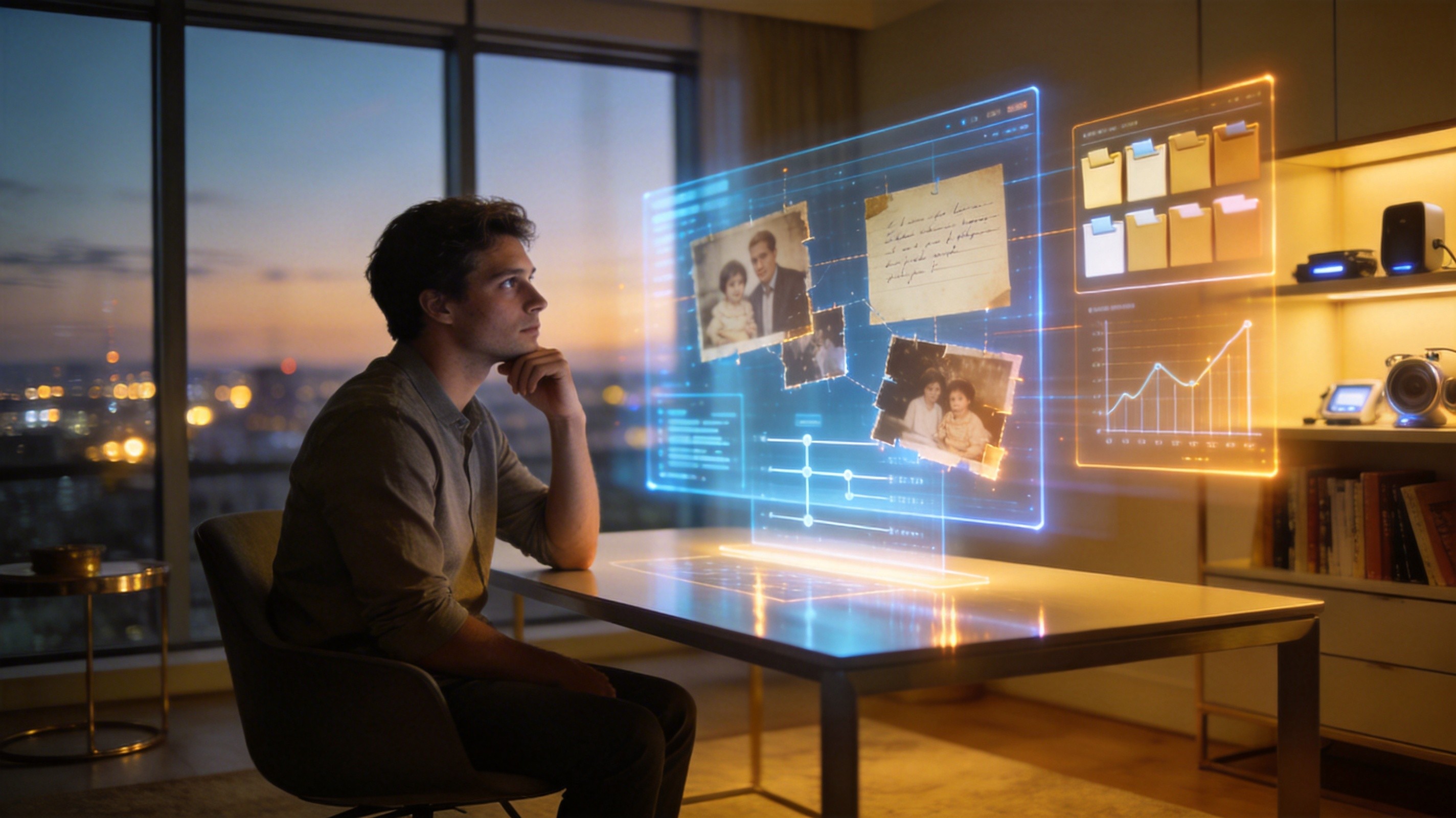
One more thing. If you're building this kind of system or choosing a platform, look for end-to-end encryption. Look for transparency about how data is used. Look for companies that prioritize family control over corporate profit.
This stuff matters. We're talking about someone's grandmother here. Someone's father. Real people who lived real lives.
That's worth doing right.