My grandmother used to sit on that old porch swing for hours. Just talking. Stories about her childhood. Her parents. Their parents. Names I'd never heard. Places that don't exist anymore.
I wish I'd recorded more. I really do.
See, we lose so much when we lose our elders. Not just the person. But the connection to everyone who came before them. The web of relationships. The family history. It all lives in their memories until suddenly it doesn't.
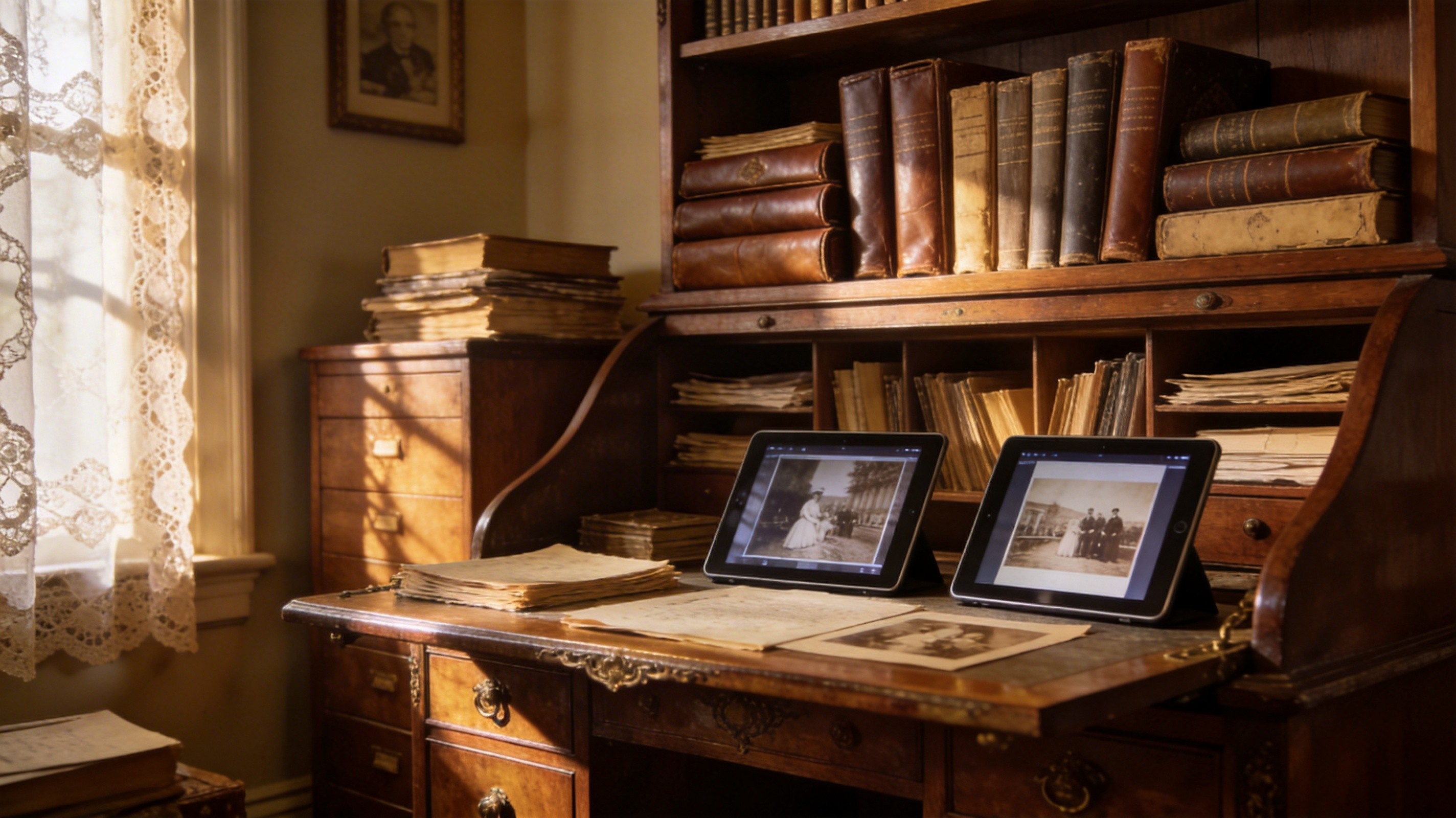
I've been thinking about this a lot lately. Because my own kids know almost nothing about their great-grandparents. I know some. But not enough. Not really. And in another generation, if we don't do something, it all disappears.
That's what AI story preservation can help with. Not fixing everything. But making sure the important things survive.
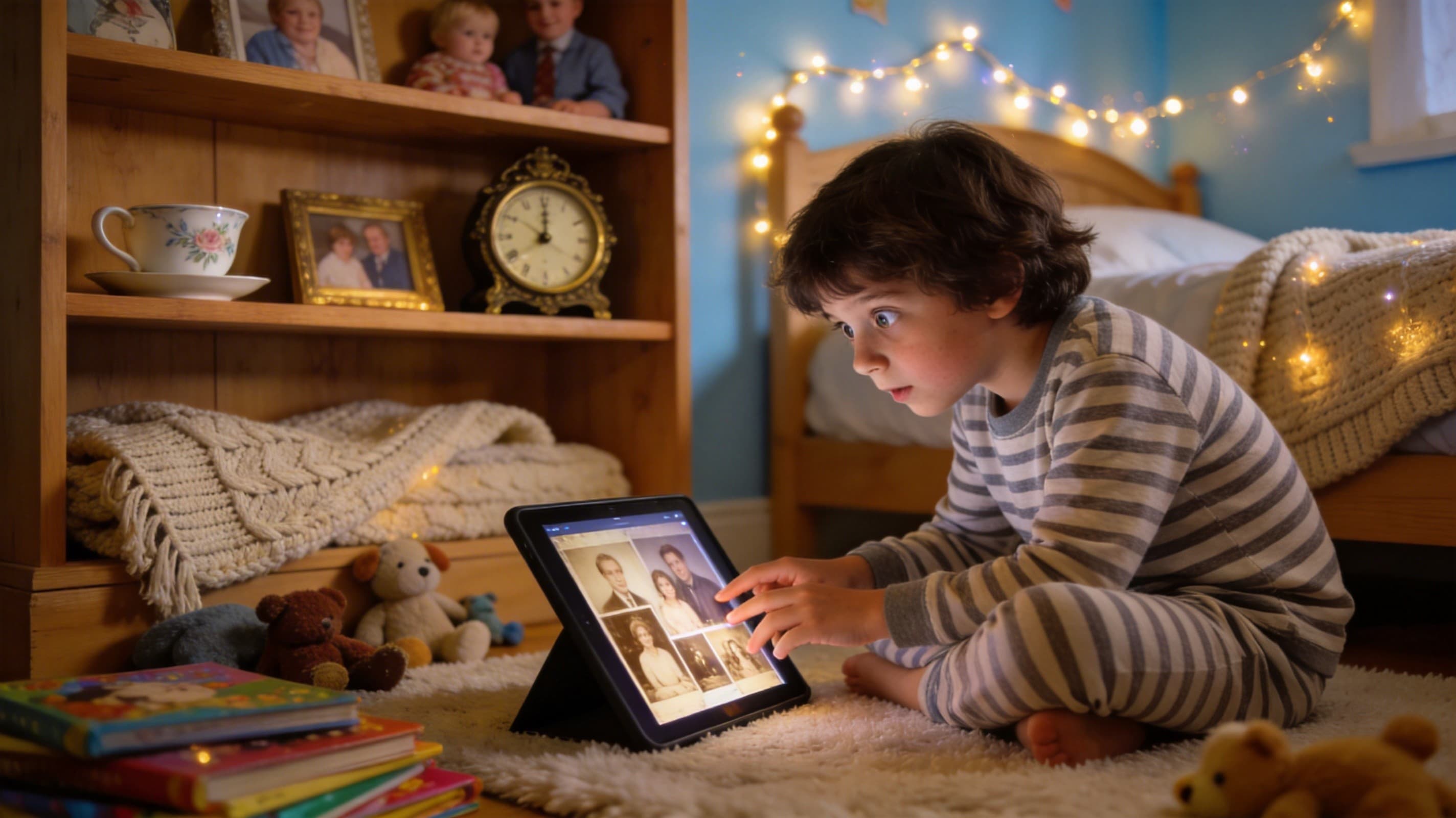
Here's what I've learned. Traditional scrapbooking is beautiful. But it's passive. You create something, and unless someone actively looks at it, it's just there. Collecting dust. But AI-powered story systems can do more. They can help organize. Connect. Even generate questions that help you remember things you'd forgotten.
My cousin Elena does this professionally. She's a digital legacy consultant. She helps families create comprehensive archives. Photos, yes. But also voice recordings. Video interviews. Written stories. Everything tied together with AI that makes it searchable. Accessible.
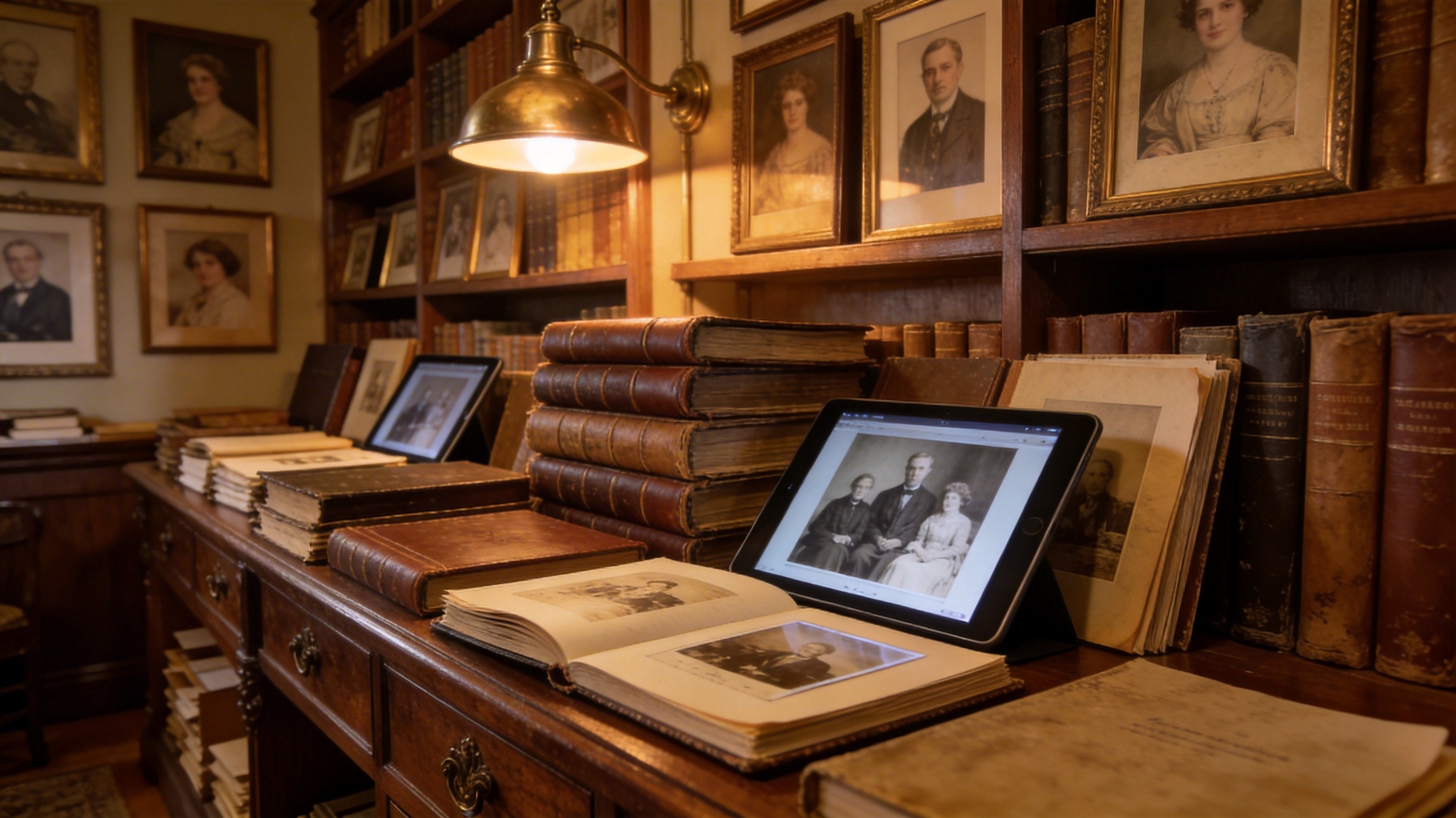
"Most people don't realize how much they don't know," she told me. "They think they remember their parents. Their grandparents. But it's fragments. Impressions. The AI helps fill in the gaps. Helps create a complete picture."
That stuck with me. Because I realized I only know my grandmother as "grandmother." I don't really know her as a young woman. As someone's daughter. As a person with her own dreams and fears.
The technology can't give me that entirely. But it can help me understand the context. The world she lived in. The experiences that shaped her.
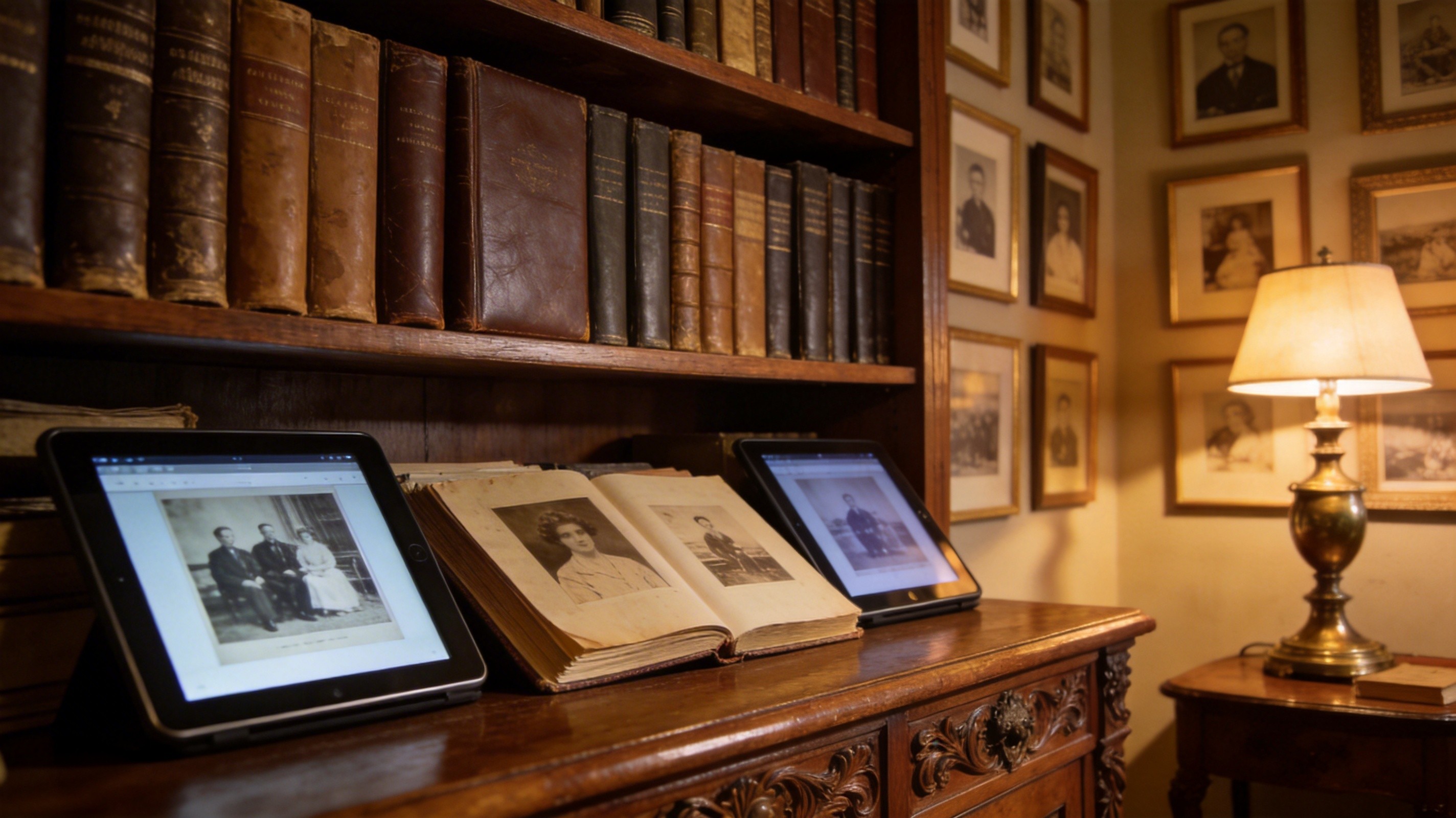
Here's what I did. I started asking my mother questions. Every Sunday. About her childhood. About her parents. About things I'd never thought to ask before.
"What was Grandma afraid of?" "What made Grandpa laugh?" "What was the happiest day of their lives?"
These questions feel strange at first. But then they become natural. And the answers matter. They really do.
I record everything. Back it up to multiple places. And now I'm building this comprehensive record. Not just for my kids. But for their kids. For however long this information matters.
To be honest, I wish I'd started years ago. When my grandmother was still alive. When my parents were younger. There are gaps now that can never be filled.
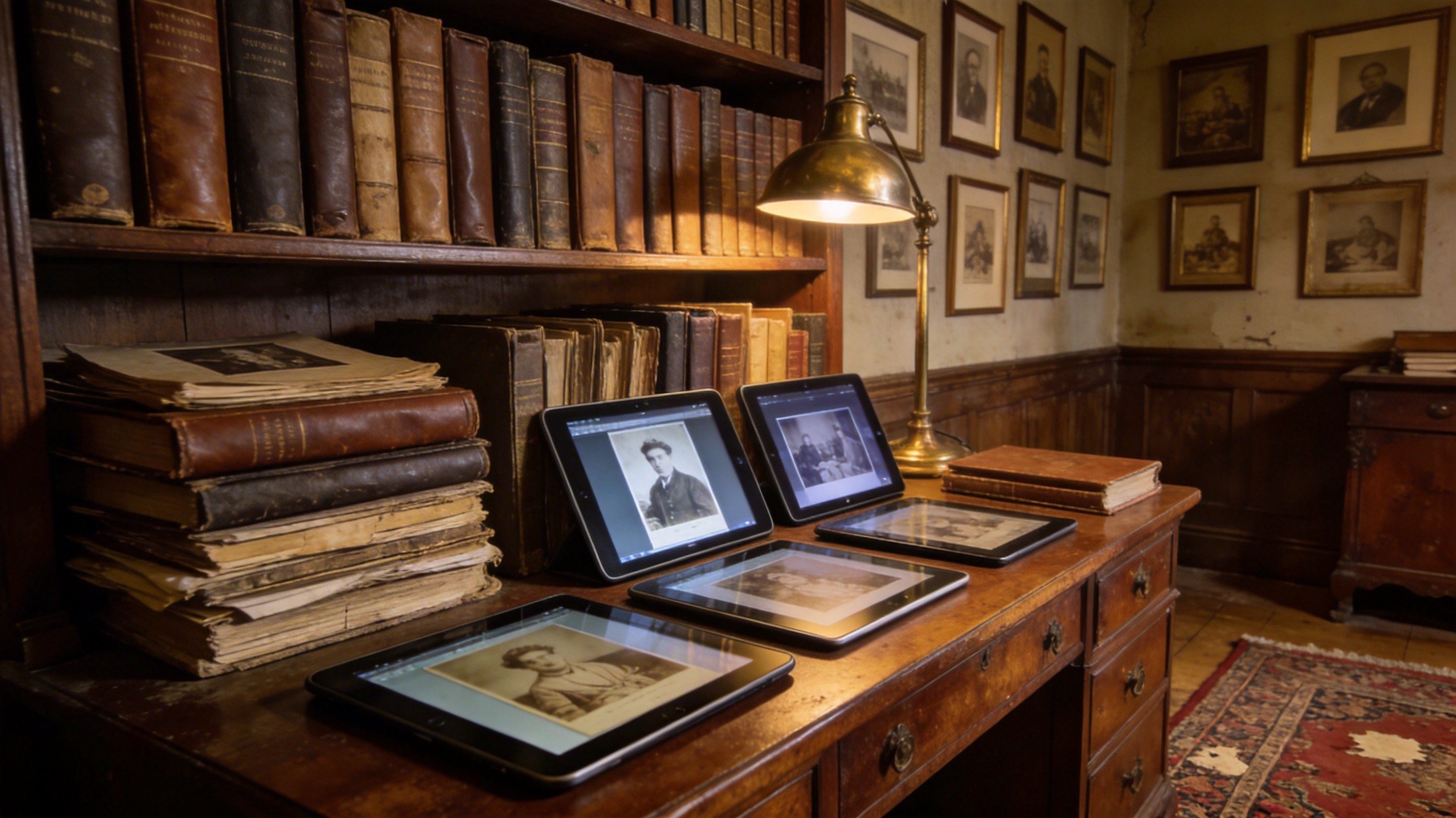
But that's why I'm doing this now. Because I don't want my kids to have those same gaps. I want them to know where they come from. Who their ancestors were. What they valued. What they struggled with. How they found happiness.
AI makes this easier. More organized. More searchable. But it's not about the technology really. It's about the commitment to remembering. To preserving. To passing it on.
One practical thing. Start small. Don't try to do everything at once. Pick one grandparent. One ancestor. Ask questions. Record answers. Build from there.
And don't wait for "someday." Someday never comes. Today is the day. Right now. Before those memories disappear forever.
That's what I've learned anyway. The stories are precious. They're irreplaceable. And once they're gone, they're gone.
Technology can't bring back what's lost. But it can help us hold onto what remains. For as long as possible. For as many generations as possible.
That's worth doing. I think that's very worth doing.