Let me ask you something. Where are your most precious memories stored right now? Your family photos. Your voice recordings. The videos of your kids growing up. The last conversations you had with your parents.
Now. Who else has access to that data?
That's a question most people never think about. But they should. They really should.
I've spent the last year working in digital security. Specifically, looking at how families can preserve their digital legacies safely. And honestly? The findings scared me.
Most cloud storage services? They're not as secure as you think. They promise privacy. They advertise encryption. But the reality is different.
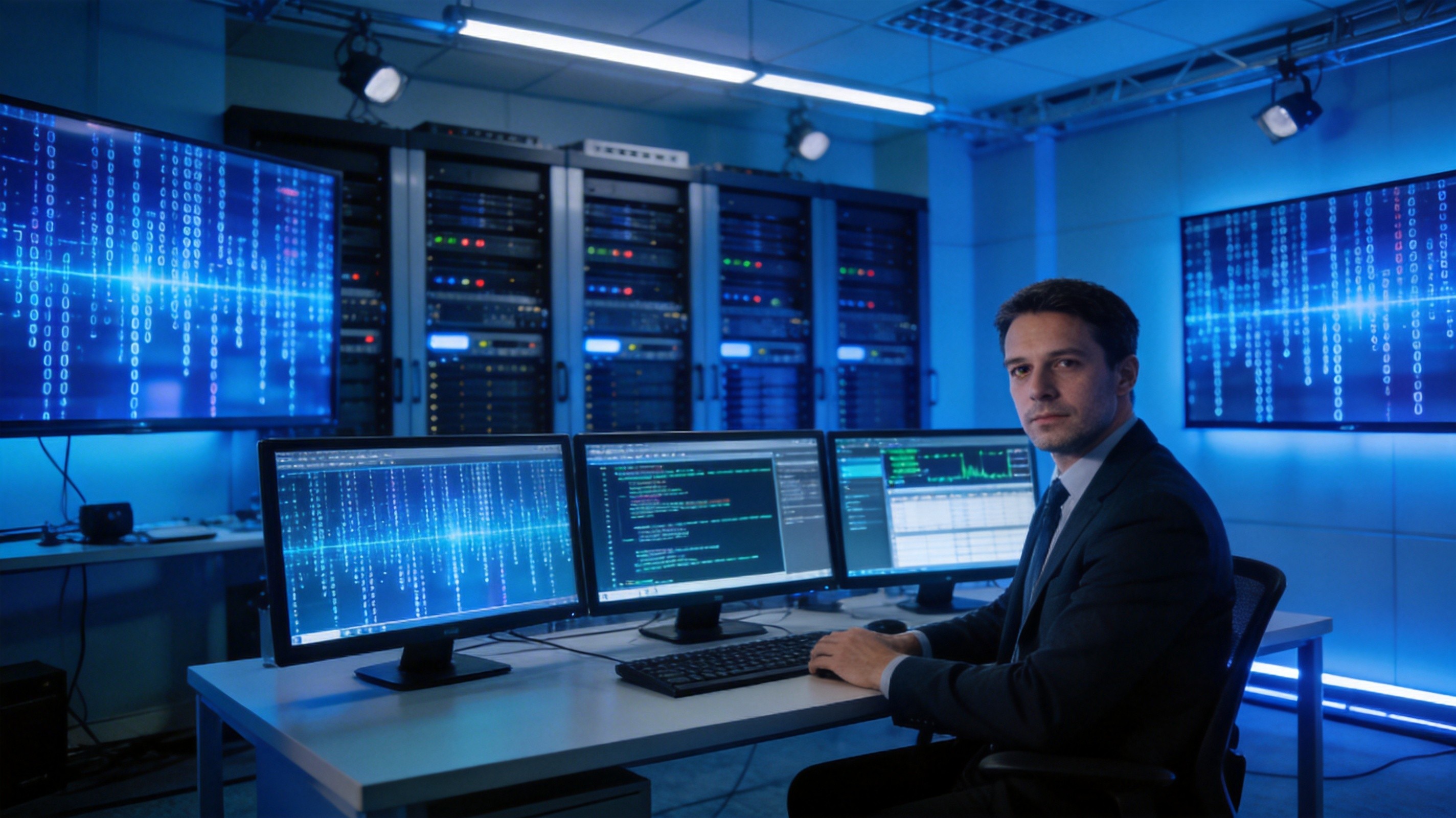
Here's how it works. When you store something on a typical cloud service, they hold the keys. They can access your data. Their employees can access your data. Government requests can access your data. Security breaches can expose your data.
That's fine for some things. Holiday photos. Restaurant reviews. Whatever.
But for your family's digital legacy? For the only recordings you have of your grandmother's voice? For private family stories? For sensitive documents?
No. That needs better protection.
End-to-end encryption changes everything. With true end-to-end encryption, your data is encrypted on your device. Only you have the keys. Not the service provider. Not hackers. Not governments. Just you.
When you store encrypted data on a service, they can't read it. They can't sell it. They can't be compelled to reveal it. The privacy is actually real.
I know this stuff sounds technical. Complicated. But it's becoming more accessible every day. And for families serious about protecting their legacies, it's worth understanding.
To be honest, I resisted learning about this for years. "Too complicated," I told myself. "I don't need that level of security."
Then my friend had her cloud account hacked. Family photos. Private videos. Everything exposed. She spent months dealing with the aftermath. The embarrassment. The violation.
That changed my thinking. Completely.
Here's what I do now. For anything I consider "legacy" material. Important family recordings. Photos I can't replace. Documents. Stories.
First, I keep local backups on encrypted drives. Physical drives that only I control.
Second, I use end-to-end encrypted cloud services for redundancy. Services where the encryption happens before anything leaves my devices.
Third, I carefully manage who has access. Not just anyone in my family. Only people I trust explicitly. And even then, I control what they can access.
One more thing. Inheritance planning for digital assets matters. What happens to your encrypted data when you're gone? Who has the keys? How do you make sure your legacy survives you?
These are uncomfortable questions. But they're necessary ones.
I use something called a "legacy key." A carefully secured copy of my encryption keys. Instructions for my family on how to access everything. Where it's stored. What it contains.
It's not morbid. It's responsible. It's making sure the things that matter are protected. Preserved. Passed on properly.
Here's my practical advice. Start by identifying what's truly precious. What would you be devastated to lose? Those items need the highest level of protection.
Research end-to-end encrypted services. There are good ones now. User-friendly ones. Yes, they cost money. But compare that cost to the value of what you're protecting.
Make a plan. Don't wait until it's too late.
And please, don't trust "good enough" security for your most precious memories. Those moments can't be replaced. Once they're gone, they're gone.
The digital legacy space is evolving. More tools are becoming available. More options for families who want to protect their histories. I'm cautiously optimistic about where things are heading.
But the first step is awareness. Understanding that this matters. That protection matters.
Your grandmother's voice recordings. Your father's military records. Your mother's handwritten recipes scanned and saved. These aren't just files. They're your family's heritage.
Treat them accordingly.