Last month, my six-year-old asked me a question that broke my heart. "Mama, do I have a grandpa in heaven?"
She meant my father. Her grandfather. He died before she was born. She knows he existed because we talk about him sometimes. But she has no real connection to him. No memory. No sense of who he was.
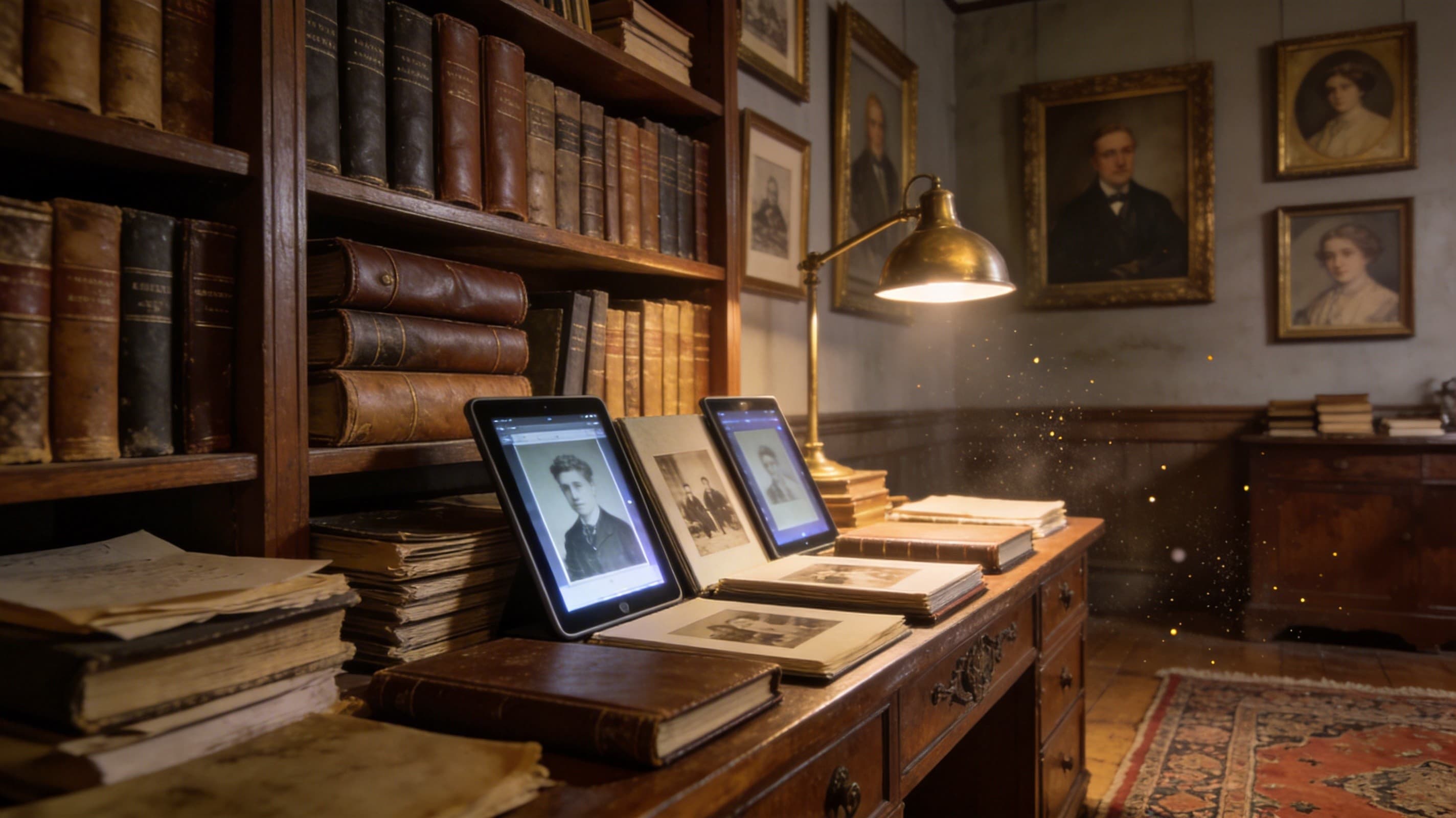
I showed her a photograph. She looked at it for a long time. Then she asked, "Why didn't he get to meet me?"
How do you answer that? How do you explain death to a child who barely understands time?
But I wanted her to know him. Really know him. Not just photographs. Not just "he was a good man" platitudes. The real him.
That's when I started thinking seriously about digital legacy for children. Making ancestors accessible. Understandable. Even lovable.
Here's what I've discovered. Children connect to stories. That's how they learn everything. So instead of just showing photos, I've been telling stories. Real stories. Funny stories. Sad stories. The time Grandpa accidentally set the kitchen on fire making pancakes. How he proposed to Grandma in the rain. His terrible jokes that nobody laughed at.
My daughter loves these stories. She asks for them at bedtime now. "Tell me about Grandpa." And I do. Every night something new.
But I wanted to do more. So I started recording. Voice messages about my father. Stories I remember. Things he taught me. How he smelled after working in the garden. The way he said my name.
These recordings, they're not polished. They're not professional. But they're real. And real matters when we're talking about connection.
Now my daughter has this library of stories. About her grandfather. Her great-grandparents. All the people who came before her.
To be honest, the first time she asked to "hear Grandpa again," I cried. Happy tears. Sad tears. All mixed together.
I've also started something else. I write letters to my daughter. From her grandfather's perspective. Things he would have wanted her to know. Wisdom he might have shared. Dreams he might have had for her.
This feels strange to do. But I've been careful. I only write things I'm confident he would have said. Based on everything I knew about him. His values. His humor. His way of seeing the world.
And my daughter cherishes these letters. She keeps them in a special box. She reads them when she misses him.
Is this manipulation? Some people might think so. But I don't see it that way. I see it as translation. Helping a child access wisdom that would otherwise be lost forever.
One thing I've learned. Children don't need perfect understanding. They need connection. They need to feel like they belong to something larger than themselves. Family history provides that.
When my daughter knows about her grandfather, she understands more about herself. Why she has certain traits. Why our family celebrates certain traditions. Why we value what we value.
That's identity. That's belonging. That's what digital legacy can offer children.
Practical advice. If you want to help your kids know their ancestors:
Start with stories. Simple ones. Funny ones. Kid-friendly ones.
Record yourself telling these stories. Your kids will treasure your voice long after you're gone.
Create a simple family tree. With photos. Names. Maybe a few key facts. Nothing overwhelming.
Let kids ask questions. Follow their curiosity. They'll surprise you with what they want to know.
Use technology as a tool. But remember, the technology isn't the point. Connection is.
My daughter knows her grandfather now. Not perfectly. But enough. She has a sense of him. A connection to him. And someday, she'll pass those stories on to her own children.
That's how it works. That's how families survive. Through stories. Through connection. Through the determination to remember.
I'm grateful for the tools that help us do that. They matter more than we know.