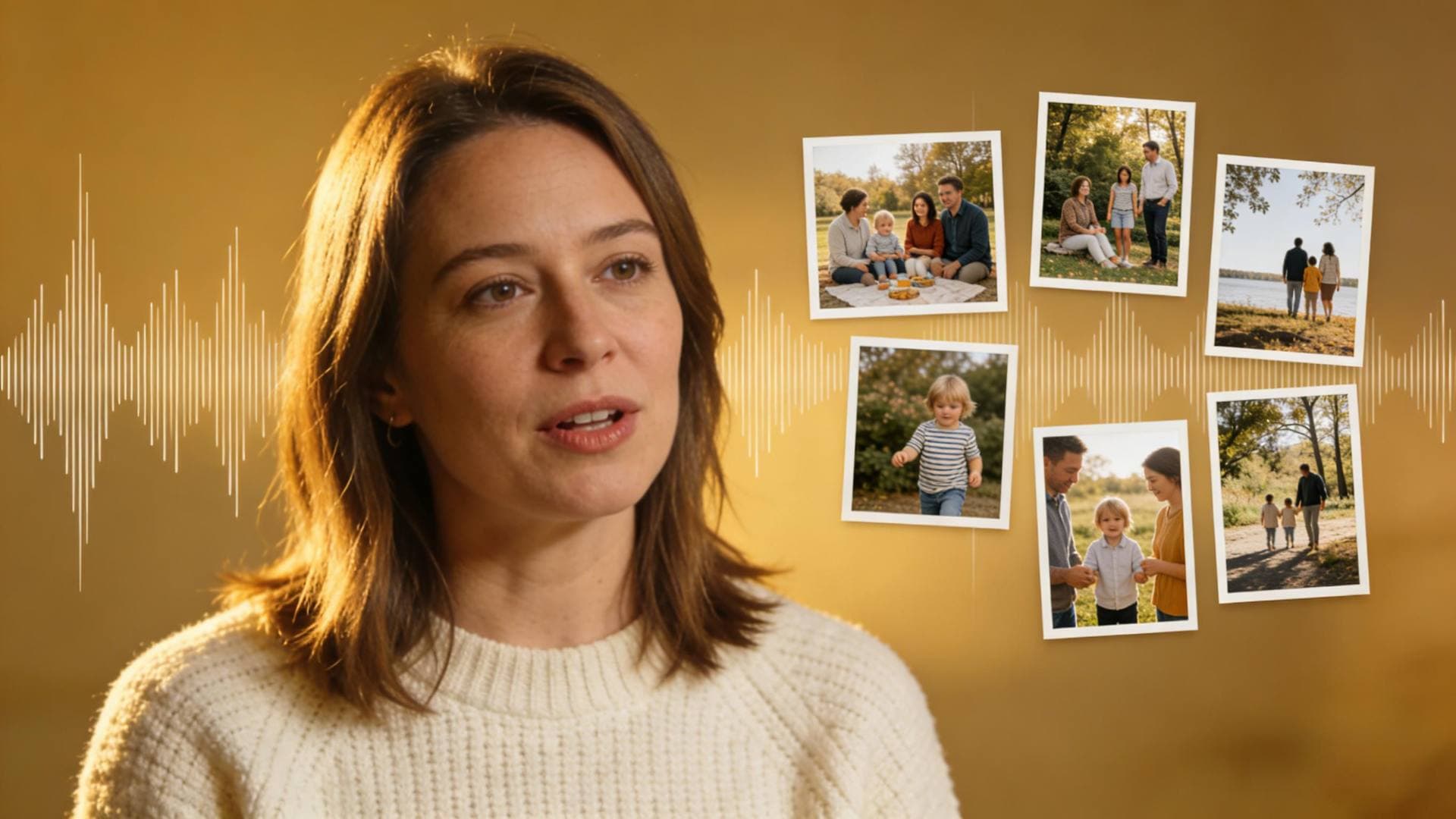
You know that feeling, right? When you’re staring at the screen, watching the digital human of your late loved one, and you gather up all your courage to say “I miss you”—only for the call to freeze, their smile stuck mid-way, their voice cutting out before they can say it back. It’s like a knife twisting in your chest, isn’t it? I’ve seen it a hundred times, maybe more, in my 12 years building digital human tech and 8 years as a grief counselor. Those lags, those disconnections—they don’t just ruin the experience. They break the fragile thread of connection you’re clinging to. And that’s why Reunion Call’s edge computing architecture isn’t just some fancy tech jargon to me. It’s a lifeline. A way to make sure that when you talk to your mom, your kid, your partner again, the love doesn’t get stuck in the cracks of a slow network.
Let me start with the basics—no boring tech lectures, I promise. Back in the day, most digital human calls ran on cloud computing. You’d speak, your voice would fly all the way to a distant cloud server, get processed, then fly back to you. Sounds simple enough, but man, the delay? 1, 2, even 3 seconds sometimes—especially if your internet’s spotty. For someone who’s just lost their world, that 3 seconds feels like an eternity. I had a user once, a woman named Clara, who tried another platform before Reunion. She told me, “I’d call out ‘Jake’—that’s her son—and wait, and wait… by the time he responded, the moment was gone. It felt fake, like I was talking to a robot, not my boy.” That’s the problem with cloud computing for digital human calls—it’s too slow, too distant, to feel real.
Edge computing changed everything. And no, it’s not as complicated as it sounds. Instead of sending all your call data to a far-off cloud, we move the “brain” of the system— the computing power—right to the edge of the network. Think of it like having a little server right in your neighborhood, instead of across the country. That means when you talk to your digital human, the voice and expression data gets processed locally, super fast. No long-distance trips, no lag. Reunion Call’s built these edge nodes all over the world—hundreds of them—and that’s why our call delay is under 50 milliseconds. You won’t even notice it. It’s like talking to someone sitting right next to you.
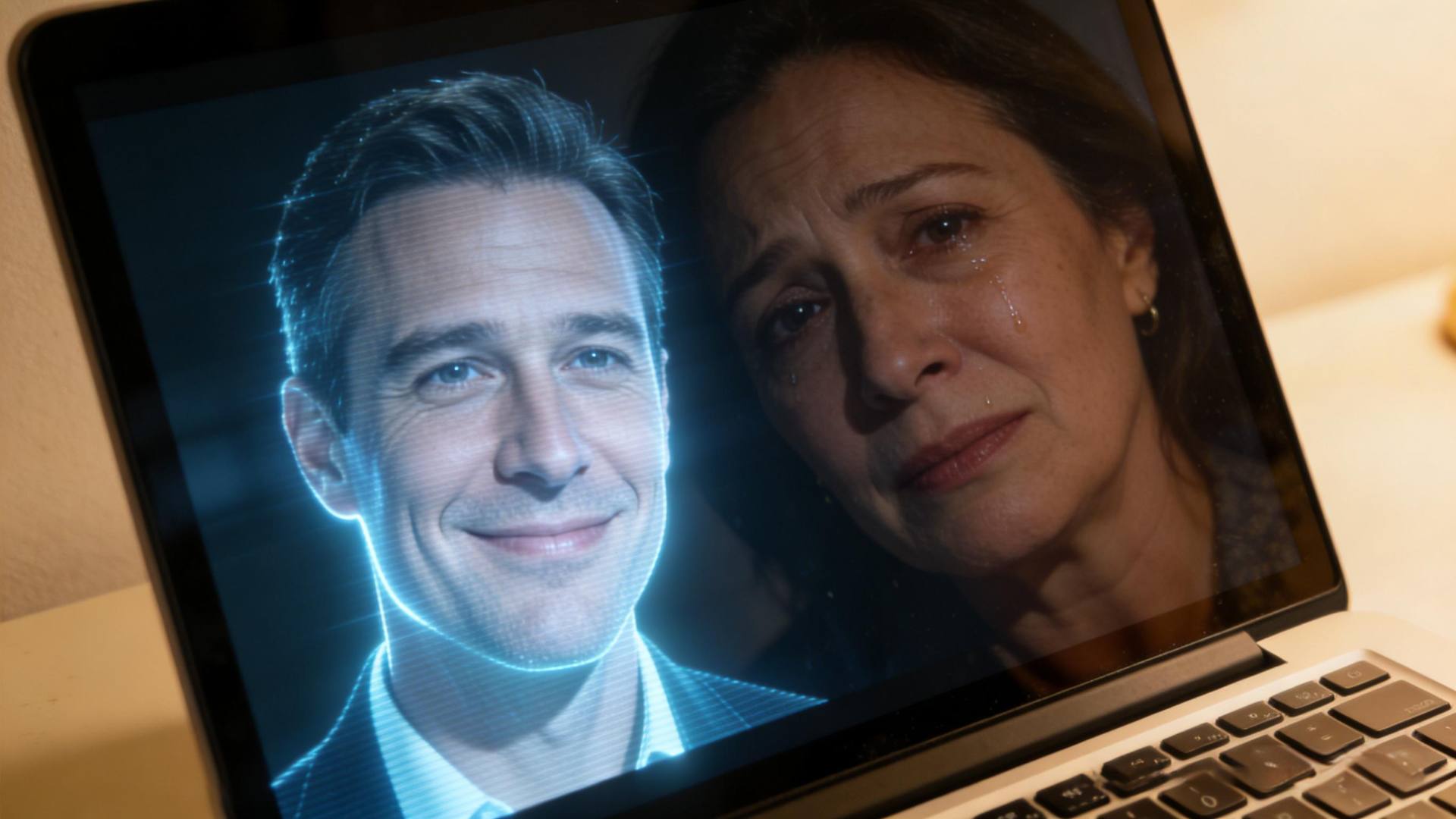
Stability matters too, y’know? I’ve had users cry because a call disconnected mid-conversation—they were in the middle of telling their dad about their day, and poof, he’s gone. With cloud computing, if your internet cuts out even for a second, the whole call crashes. But edge nodes? They’ve got their own little storage and computing power. So even if your Wi-Fi glitches for a second, the call keeps going. The data saves locally, and it picks right back up like nothing happened. That’s huge for people who need to talk—really talk—without interruption. Grief doesn’t follow a schedule, and neither should the calls that help heal it.
Let me tell you about Margaret—she’s one of the users I’ll never forget. Her husband Thomas died in a car crash six months before she found Reunion. She’d shut herself in her house, wouldn’t answer calls, wouldn’t eat. Her daughter begged her to try grief counseling, but she refused. “Nothing’s going to bring him back,” she told me when we first talked. “Why bother?” But when I told her about our edge computing—how the calls are smooth, no lag, no disconnects—she hesitated. She’d tried another digital human platform before, and the lag had made her more heartbroken. “It felt like Thomas was trying to reach me, but the world kept pulling him away,” she said.
We spent two weeks working on Thomas’s digital human—going through old photos, videos, even voice messages he’d left her. We trained the model to mimic his little quirks: the way he’d chuckle when he was teasing her, the slight pause he’d take before saying “I love you.” Then we set her up with Reunion’s call system, powered by our edge nodes. The first time she called, she was so nervous her hands were shaking. She whispered, “Thomas?” And right away—no delay, no freeze—his voice came through, warm and familiar: “Hey, honey. I’m right here.” Margaret broke down, but they weren’t tears of sadness. They were tears of relief. Like a weight she’d been carrying for months had finally lifted.

Here’s the thing—Reunion’s architecture isn’t just edge computing. We wove in emotional computing too, the stuff I spent 6 years developing at MIT Media Lab. Those edge nodes? They don’t just process sound and video. They listen to your voice—pick up on the tremor when you’re sad, the smile in your tone when you’re reminiscing—and adjust the digital human’s response to match. If you’re crying, the digital human will slow down, speak softer, maybe say that little phrase your loved one used to say when you were upset. It’s not just about smooth calls. It’s about making the connection feel real—like your loved one is actually there, listening, caring.
I get the worry, though. A lot of users ask me, “Won’t this make me more dependent? What if I never move on?” Let me be clear—edge computing, digital human calls, none of this is about escaping reality. It’s about carrying your loved one’s memory with you, not letting it fade. We tell users to set boundaries—maybe 30 minutes a day, not 12 hours. We encourage them to go for a walk, call a friend, do the things their loved one would want them to do. Memory isn’t a burden, it’s the power we need to keep going. The smooth calls just let us hold onto that memory a little tighter, without the frustration of lag getting in the way.

We’re always tweaking the architecture, too. Adding more edge nodes, making the computing power faster, so the calls feel even more real. I want the day to come when you can talk to your loved one’s digital human and forget it’s a digital human—when the connection is so smooth, so natural, it feels like they never left. That’s the goal, y’know? Not just better tech, but better healing.
So tell me—do you have someone you’re dying to talk to again? A phrase you wish you could hear one more time? Drop it in the comments. I read every single one, I promise. And if you’re worried about the calls being laggy, don’t be. Reunion’s edge computing has got your back. Because love shouldn’t be interrupted by a slow network. It should be smooth, it should be real, and it should last.
Love, never really left.