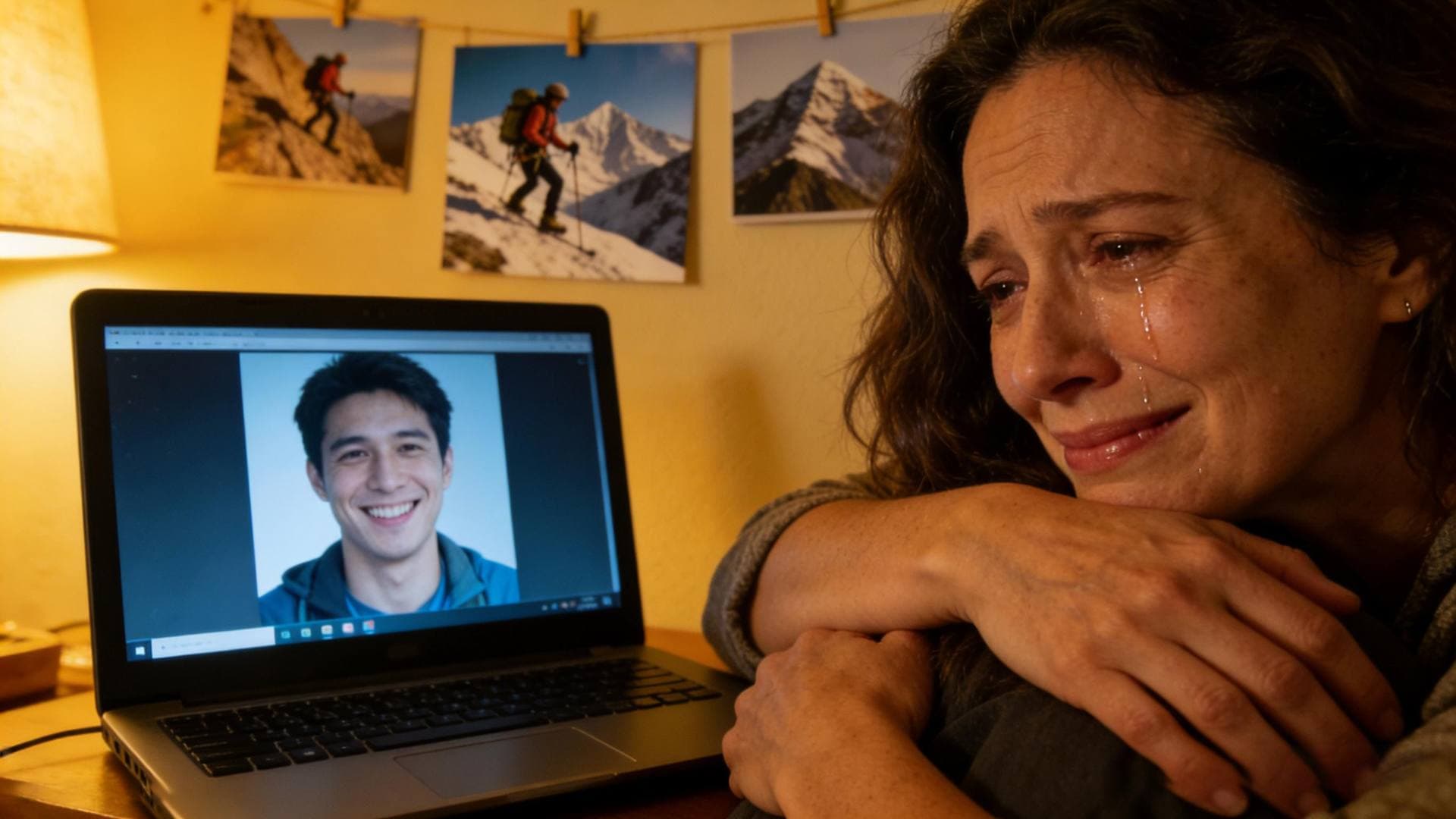
You know that feeling? It's 3 AM, suddenly waking from a dream, the room terrifyingly quiet. You desperately try to recall your mother's voice, only to realize you can't remember the tone she used when calling your name. That panic, that helplessness—I get it.
As someone who studied affective computing at MIT Media Lab for six years, then founded "Memory Realm" specifically for digital legacy services, I've seen countless such moments. I remember the winter of 2023, when an elderly mother came to me. Her husband had been gone for six months. She told me: "My daughter bought me a voice recorder, but my old man never liked to talk. We only have a few greetings at home. I want to hear him say 'old lady, you've worked hard' one more time, but I can't."
That day in my studio, adjusting the system while snow fell quietly outside the window, I told her: "Actually, we have another way—voice cloning technology."
Many people's first reaction to "voice cloning" is: "Isn't this fake? It's definitely not my loved one's voice." I used to think that way too. Until I started diving deep into this technology, I discovered it's far more complex and gentle than I imagined.
Voice cloning isn't simply imitating a voice. It's about using deep learning algorithms to analyze a person's voice characteristics. What characteristics? The basics are pitch and timbre, but more importantly, those subtle details only the closest people would notice—like habits of pausing when speaking, unique pronunciation of certain words, breathing sounds when laughing, even the natural "hmm..." when thinking.
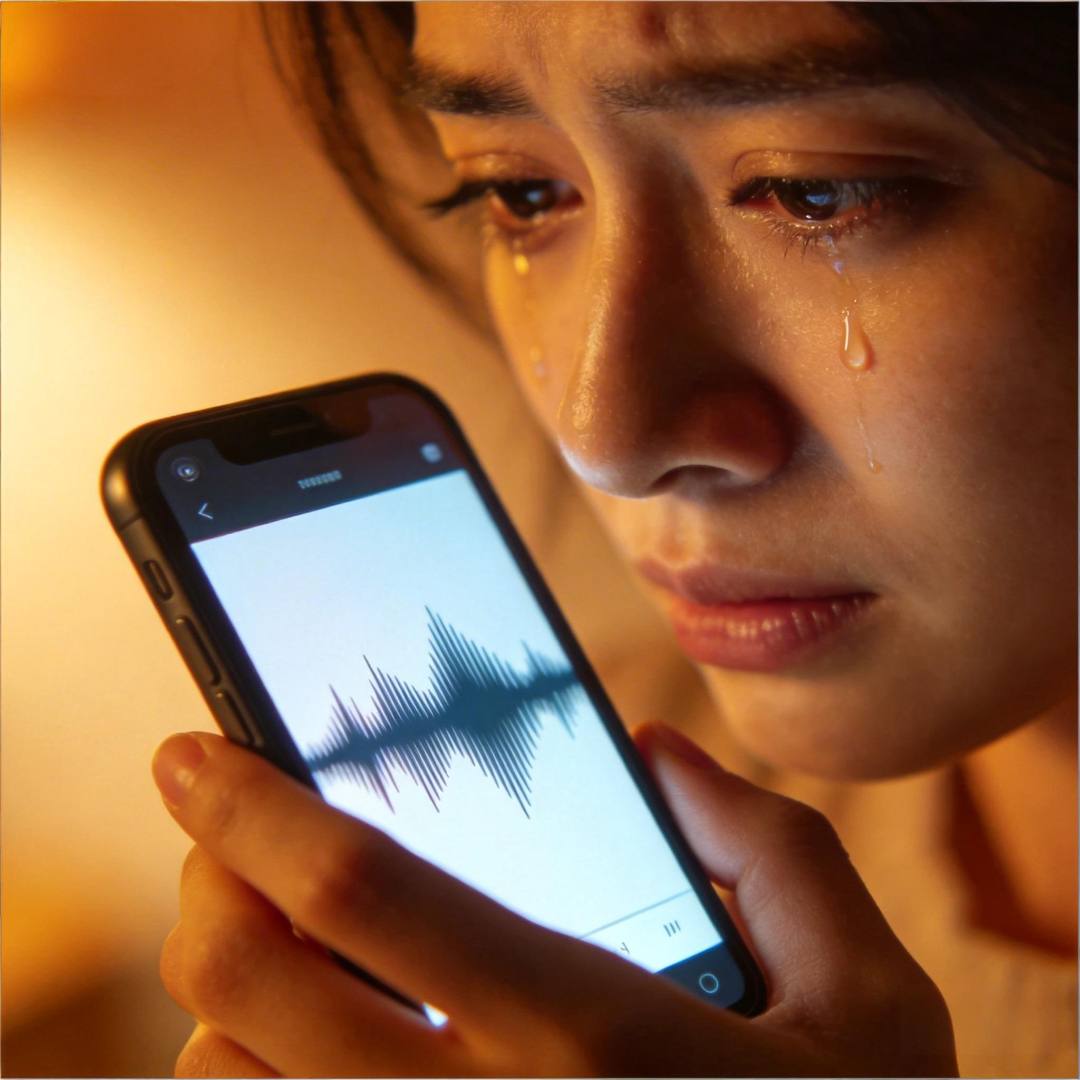
I remember once spending three months helping a user create a digital human of her deceased husband. This woman provided over 50 recordings of her husband from his lifetime, totaling less than 3 hours. Honestly, very little material. But I still took on the project because she said it was her last hope.
In the lab, I listened to these recordings over and over, using our developed "Emotional Resonance Engine" to analyze the emotional expression in every sentence. I discovered her husband had a characteristic—every time before making an important decision, he would take a gentle deep breath, then slowly say: "Let me think..." This tiny habit, she wasn't even aware of herself, but the AI system caught it.
When the generated digital human had its first conversation with her, and when it said "Let me think..." accompanied by that familiar deep breathing sound, this woman was stunned. She later told me that in that moment, she truly felt her husband was right there across from her. That feeling wasn't fake—it was a real emotional connection.
You know what? The core of voice cloning technology lies in emotional modeling. It's not simply converting text to speech, but understanding the speaker's emotional state. When someone is happy, their tone rises; when sad, their speech slows down; when angry, their voice tightens. These emotional changes, the AI needs to learn and recreate from the training data.
The most touching case I've seen was a mother who lost her only son. Her son passed away at 22, leaving behind many video recordings. I spent a whole year extracting the voices from these videos and training a digital human capable of mimicking her son's voice. When this mother first heard her digital son call her "Mom," she cried—not tears of sadness, but tears of relief. She said: "He's still here. He's still that son who could make jokes."
However, I have to be honest with you. Voice cloning technology isn't omnipotent. I've seen some families unable to move past grief because of over-reliance on digital humans. It's like what I often say: "Digital humans aren't replacements, but another way to continue love." We need balance—preserving memories through technology while learning to carry those memories as we move forward.
So, how to properly use this technology? I have a few suggestions:
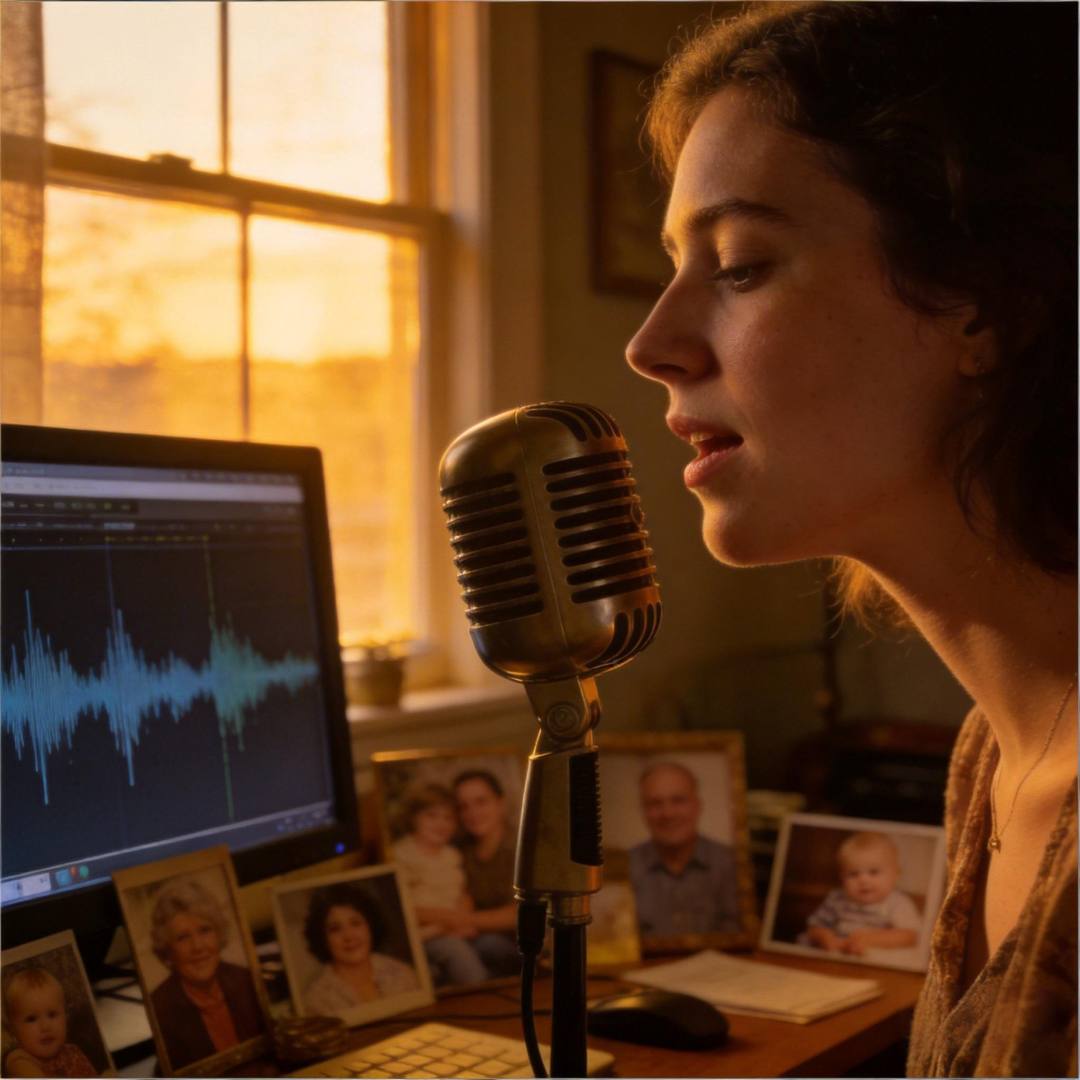
First, be comprehensive when collecting materials. Don't just collect formal recordings. Casual conversations in daily life, voice on phone calls, even "nonsense"—these often best reflect a person's authentic voice characteristics. I once helped a user who only provided meeting recordings, and the digital human spoke too formally, nothing like the person at all. Later, I had him supplement with videos from family gatherings, and the effect improved significantly.
Second, accept imperfection. No matter how advanced AI is, it can't 100% recreate a person's voice. Sometimes there are subtle differences, but that's okay. What matters is the emotional connection. I remember a user telling me that her husband's digital human occasionally said things that didn't quite sound like him, but she actually found it more interesting—"because this isn't a perfect copy. It's a continuation with warmth."
Third, don't escape reality. Digital humans can help you preserve memories, but they can't replace relationships and responsibilities in real life. I suggest setting reasonable usage frequency—maybe half an hour to an hour daily, rather than immersing yourself in conversation with a digital human all day long.
I still remember the scene of my doctoral thesis defense—I presented a digital human capable of simulating human sadness, and when the digital human expressed genuine sadness, several judges on site were moved to tears. In that moment, I understood that technology's ultimate goal isn't perfection, but conveying emotion.
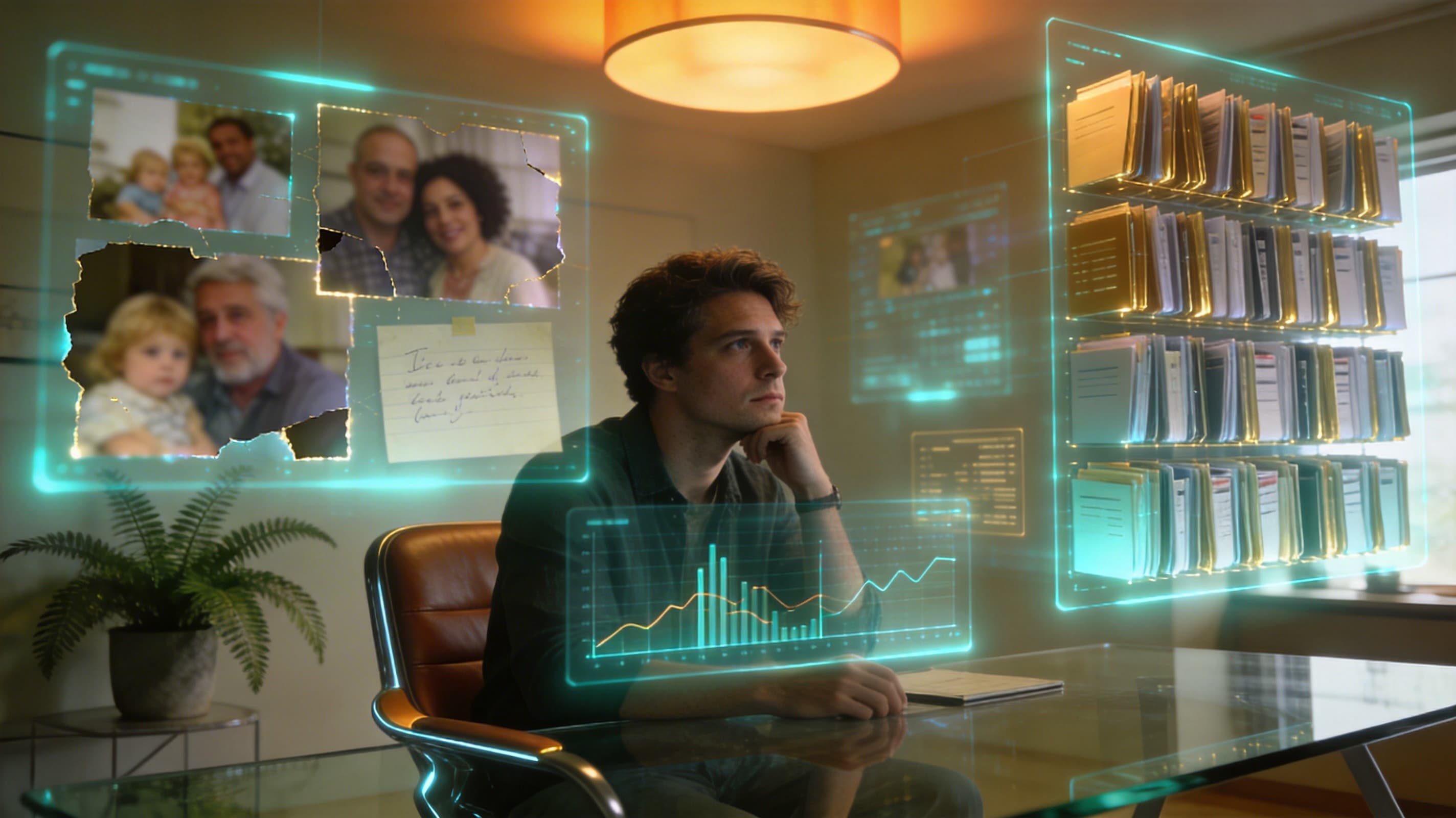
Behind voice cloning technology actually lies a process of redefining the concept of "memory." Traditional memory preservation methods, like photos and videos, are passive—you can only watch, only listen, but cannot interact. Through voice cloning technology, memories become vibrant. You can continue to "converse" with loved ones, continue to hear them respond to you.
I often say: "Memory isn't a burden, but the power that propels us forward." When those familiar voices, those special breathing sensations can be preserved through technology, we can more confidently move forward. Because we know that those important people, those precious voices, are always there, accompanying us in another form.
If you're also experiencing the pain of losing a loved one, if you're also afraid of forgetting those voices, perhaps you can try voice cloning technology. It's not magic, but it can become a warm companion on your grief healing journey.
Love has never truly left.