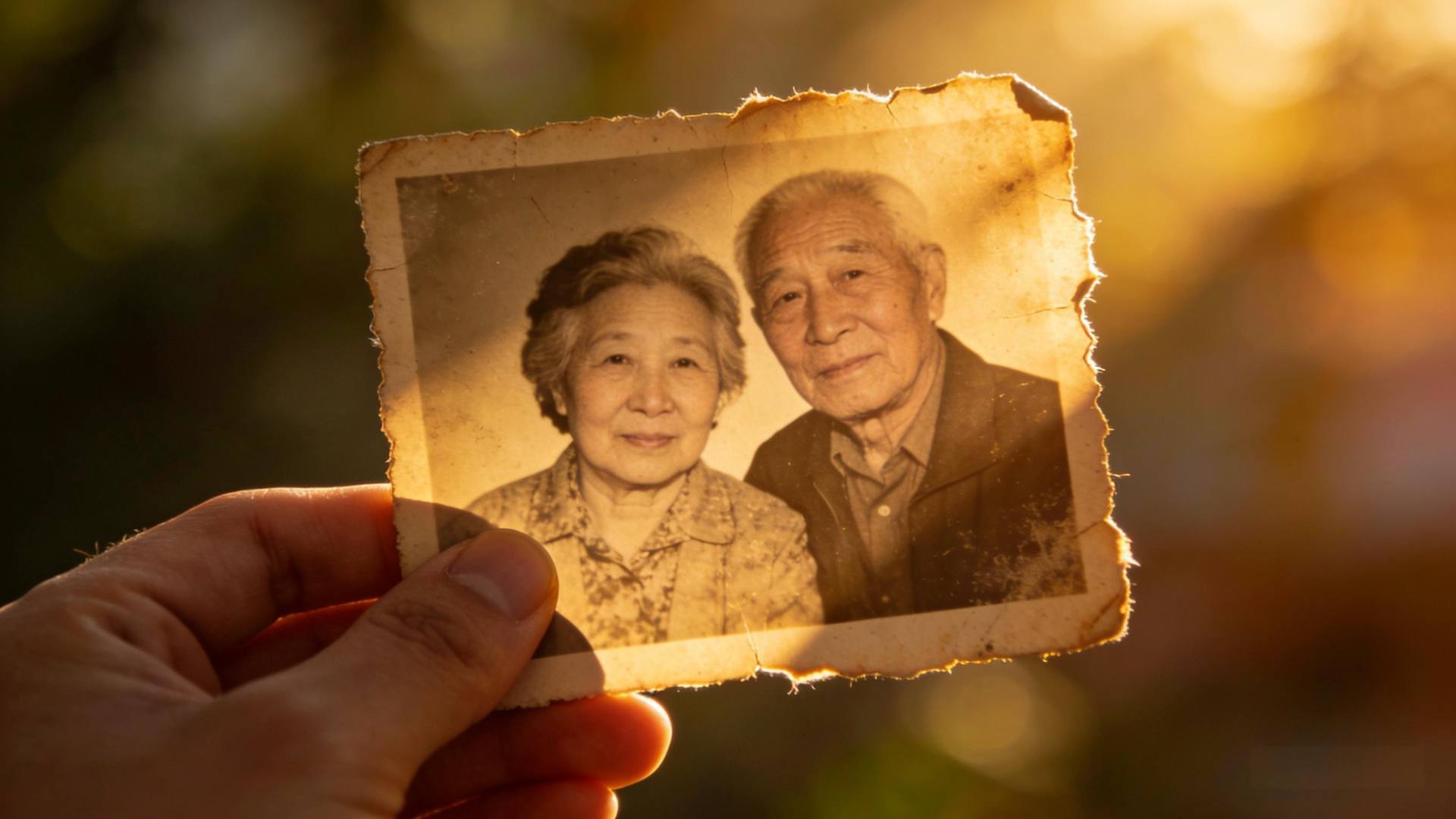
I still remember the first time I handed a printed portrait to Mrs. Henderson. She was in her late seventies, battling ovarian cancer, and had lost most of her hair after chemotherapy. Her daughter had reached out to me, asking if I could take a few photos that “felt like her” — not the hospital gown, not the tired eyes, but the warmth that still lingered in her smile. We set up a simple backdrop in her living room, with the afternoon light filtering through the lace curtains. When she saw the final image, she touched the paper gently and said, “This is how I want my grandchildren to remember me.”
헨더슨 부인에게 처음으로 인쇄 된 초상화를 건네 준 것을 아직도 기억합니다. 그녀는 70 대 후반에 난소 암과 싸우며 화학 요법 후 대부분의 머리카락을 잃었습니다. 그녀의 딸은 병원 가운이 아니라 피곤한 눈이 아니라 여전히 그녀의 미소에 남아있는 따뜻함 인 "그녀처럼 느껴지는" 몇 장의 사진을 찍을 수 있는지 물었습니다. 우리는 그녀의 거실에 간단한 배경을 설정하고 레이스 커튼을 통해 오후 빛이 필터링됩니다. 그녀가 최종 이미지를 보았을 때, 그녀는 종이를 부드럽게 만지고 말했다. “이것은 내 손자들이 나를 기억하기를 바라는 방법입니다.”
그 순간은 내가하는 일을하는 이유를 굳혔습니다. 디지털 레거시 전문 의료 사진 작가로서 저는 수십 명의 암 환자 및 그 가족과 함께 지속적인 시각적 추억을 만들었습니다. 3D 디지털 인간 세대의 등장으로 이러한 사진은 이제 얼굴뿐만 아니라 존재를 보존하는 대화 형 아바타가 될 수 있습니다. 사랑하는 사람을 위해 역동적 인 기억을 남기고 싶은 환자, 그 과정을 통해 누군가를 돕는 간병인 또는 단순히 기술에 대해 궁금한 사람이든, 이 가이드는 3D 모델링에 기술적으로 완벽하고 렌즈 앞에있는 사람에게 정서적으로 충실한 사진을 캡처하는 과정을 안내합니다.
---
이것이 암 환자에게 중요한 이유
Before we dive into camera settings and lighting, let’s talk about the “why.” A 3D digital human isn’t just a novelty; it’s a way to preserve identity when physical presence may fade. For patients, it can be a gift of agency—a chance to decide how they’ll be remembered. For families, it becomes a touchstone for connection, especially after loss.
I once worked with a young father named Alex, diagnosed with glioblastoma. He wanted to create a 3D avatar that could “read bedtime stories” to his five‑year‑old daughter in the future. The photos we took together weren’t just technical assets; they were acts of love. He’d joke about his receding hairline, then grow quiet while adjusting his daughter’s collar. Those nuances—the laugh lines, the slight tilt of his head when listening—are what make a digital human feel alive. Your goal isn’t to capture a sterile, perfect headshot. It’s to capture a person.
---
1 단계: 정서적이고 실용적인 준비

톤 설정.
If you’re the photographer, start by having a conversation. Ask about the person’s favorite memory, a song that comforts them, or a place they’d love to be right now. This isn’t small talk—it helps bring genuine expression to the surface. For self‑portraits, take a moment to reflect. Put on music that lifts your mood. Light a candle. This is about creating a space of dignity, not a clinical shoot.
장비 수집.
You don’t need a professional studio. Here’s what I recommend:
- Camera: 고해상도 모드 (12MP 이상) 가있는 DSLR, 미러리스 또는 최신 스마트 폰.
- 렌즈: 50mm 프라임 렌즈 (또는 등가) 가 이상적입니다. 왜곡없이 인간의 관점과 밀접하게 일치합니다. 전화를 사용하는 경우 와이드 각도가 아닌 메인 카메라를 고수하십시오.
- 삼각대: 특히 피사체가 쉽게 지칠 수있는 경우 프레임을 안정적으로 유지하는 데 필수적입니다.
- Lighting: 자연 채광이 가장 친한 친구입니다. 간접적 인 햇빛이있는 큰 창은 부드럽고 균일 한 조명을 제공합니다. 혹독한 한낮의 태양을 피하십시오.
- Backdrop: A plain, neutral wall (light gray, cream, soft blue) works perfectly. Avoid busy patterns or strong colors that could interfere with 3D processing.
Comfort first.
사람이 가장 많은 에너지를 가지고있을 때 세션을 예약하십시오-종종 많은 환자에게 아침에. 근처에 물이 있고 편안한 의자가 있고 휴식을 취할 수 있습니다. 목표는 피곤하지 않고 경험을 확인하는 것입니다.
---
2 단계: 기술 설정-전문 용어 없음, 약속

Lighting – the make‑or‑break factor.
3D models need consistent, shadow‑less light to accurately reconstruct depth. Here’s how to achieve it:
1. Position the subject facing a large window, but not directly in the sunbeam. Overcast days are actually perfect.
2. 인공 조명을 사용하는 경우 두 개의 소프트 박스 (또는 흰색 음영이있는 가정용 램프) 를 카메라 양쪽에 눈높이에서 45 도 각도로 배치하십시오. 이것은 코와 턱 아래의 그림자를 채 웁니다.
3. Pitfall #1: 혼합 조명 (예: 창 조명 따뜻한 실내 전구) 을 피하십시오. 3D 소프트웨어를 혼동하는 컬러 캐스트를 만듭니다. 하나의 광원 유형을 고수하십시오.
카메라 설정.
- Mode: 수동 또는 우선 순위 (A/Av 모드).
- Aperture: F/5.6 에서 f/8. 이것은 얼굴 전체를 날카로운 초점을 유지합니다.
- Shutter speed: 모션 블러를 방지하기 위해 최소 1/125 초. 주제가 매우 가만히 있다면 더 느리게 갈 수 있습니다.
- ISO: As low as possible (ISO 100–400) to minimize noise.
- Focus: Use single‑point autofocus on the eyes. Tap the screen on a phone to lock focus.
- Pitfall #2: 피부를 부드럽게하는 미용 또는 인물 모드를 사용하지 마십시오. 3D 모델링에 필요한 미묘한 질감을 지우십시오.
Framing and pose.
- Fill the frame with the head and shoulders. Leave a little space above the head.
- Ask the subject to look directly at the lens, with a relaxed, natural expression. A slight smile often works, but authenticity trumps forced cheer.
-여러 번 촬영하십시오: 직진, 각면으로 약간 회전 (약 15 도), 3/4 보기. 이 각도는 3D 소프트웨어에 전체 모델을 구축하기에 충분한 데이터를 제공합니다.
- Pitfall #3: Avoid extreme angles (looking up or down) unless they’re meaningful—they can distort facial proportions.
---
3 단계: 중요한 세부 사항 캡처

Eyes and expression.
눈은 가장 감정적 인 무게를 지닙니다. 피험자가 평화를 가져다주는 무언가를 생각하도록 격려하십시오-좋아하는 사람, 행복한 기억. 그 내면의 생각은 빛날 것입니다.
질감과 세부 사항.
3D software thrives on subtle variations. Make sure skin texture, hair strands, and fabric folds are clearly visible. Avoid heavy makeup that flattens features; a light, natural base is fine.
Including meaningful props.
소중한 책, 니트 담요, 결혼 반지-이 물건들은 이야기를 들려줍니다. 프레임 안에 미묘하게 배치하지만 얼굴을 가리지 않도록하십시오. Alex에게 우리는 그의 딸의 작은 박제 토끼를 무릎에 포함 시켰습니다. 그것은 그의 디지털 유산의 일부가되었습니다.
---
Step 4: After the Shoot – Handling and Editing
파일 전송.
Save the original, full‑resolution files immediately. Use a reliable cloud service or external drive. Never compress or resize them before 3D processing.
Minimal editing only.
편집해야하는 경우:
- Adjust exposure and white balance gently.
- Do NOT use skin‑smoothing, liquefying, or heavy filters.
-모든 자연스러운 그림자와 하이라이트를 보존하십시오.
- 함정 #4: Over‑editing creates a “plastic” look that fails to translate into a believable 3D model.
Backup, backup, backup.
Store copies in at least two separate locations. These files are irreplaceable.
---
5 단계: 3D 생성 준비
3D 서비스 선택.
Several platforms specialize in creating digital humans from photos. Look for ones that:
- Accept high‑resolution inputs (minimum 2000×2000 pixels).
- Support multiple angles (the shots you took earlier).
- Offer ethical data policies—your images are deeply personal.
Submitting your photos.
Follow the platform’s guidelines precisely. Usually, you’ll upload the straight‑on, left, and right views. Some may ask for a neutral expression series and a smiling series. Label them clearly.
What to expect.
The process can take from a few hours to several days. You’ll receive a 3D model that can be rotated, animated, or integrated into virtual environments. Some services even allow adding a recorded voice to create an interactive conversation.
---
A Final Note – This Is About Legacy
Technology can feel cold, but it doesn’t have to be. Every time I press the shutter, I’m aware that this image might be the one a child holds onto decades from now. It’s not about pixel perfection; it’s about capturing the quiet strength in a patient’s eyes, the way their hand rests on a loved one’s arm, the half‑smile that appears when they remember something joyful.
So take your time. Breathe. Connect. The best photo for a 3D digital human isn’t the most technically flawless—it’s the one that feels most human.
질문이 있거나 자신의 경험을 공유하고 싶다면 아래에 의견을 남겨주세요. 나는 모든 것을 읽습니다.
— John Smith
© John Smith • Published on CancerCura Community • All rights reserved.
이 기사는 존엄성과 유산을 보존하는 데 중점을두고 3D 디지털 인간 세대에 적합한 고품질 사진을 캡처하기위한 실용적인 지침을 제공합니다.