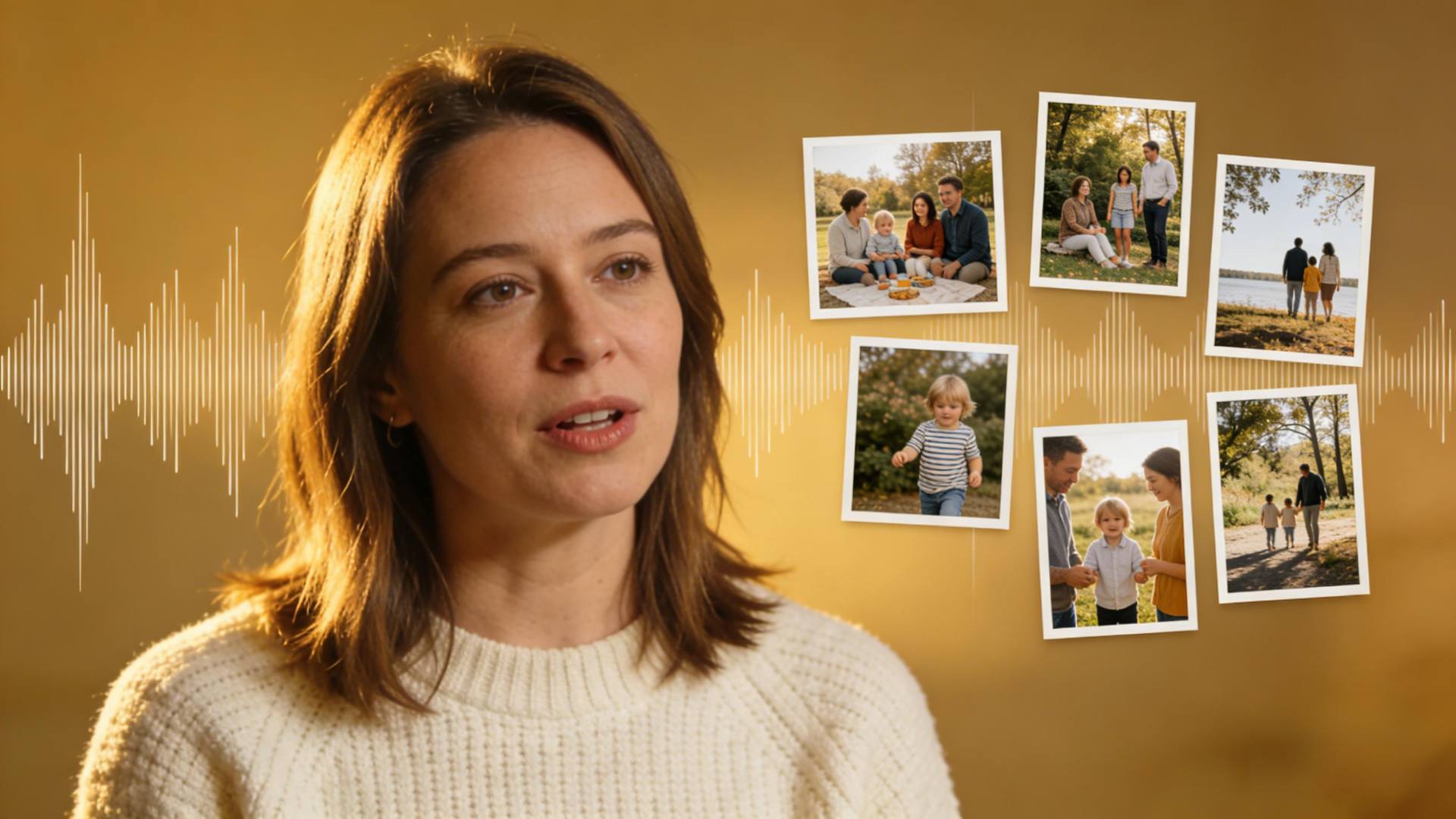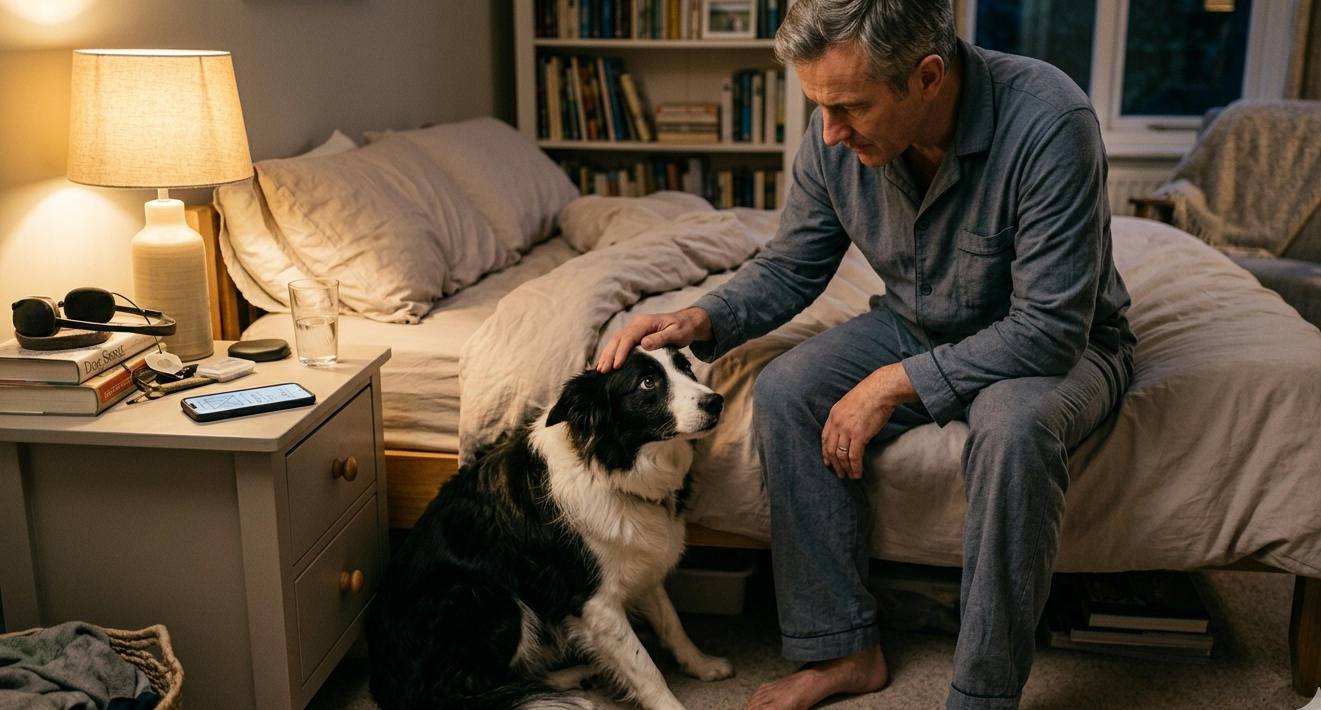
그 느낌 알아? 아침 3 시에 갑자기 깨어 그의 목소리를 한 번 더 듣고 싶어하지만 이야기 할 빈 공기 만 있습니다. 그 속이 빈 통증-나는 그것을 얻는다. 8 년 동안 슬픔 상담사로서 저는 이런 이야기를 너무 많이 들었습니다. 자정에 눈물을 흘리며 사진에 속삭이며 "기억하십니까?" 라고 묻고 싶은 순간입니다. 마지막으로 대답 할 사람이없는 한 번.
But in 2026, something is shifting.
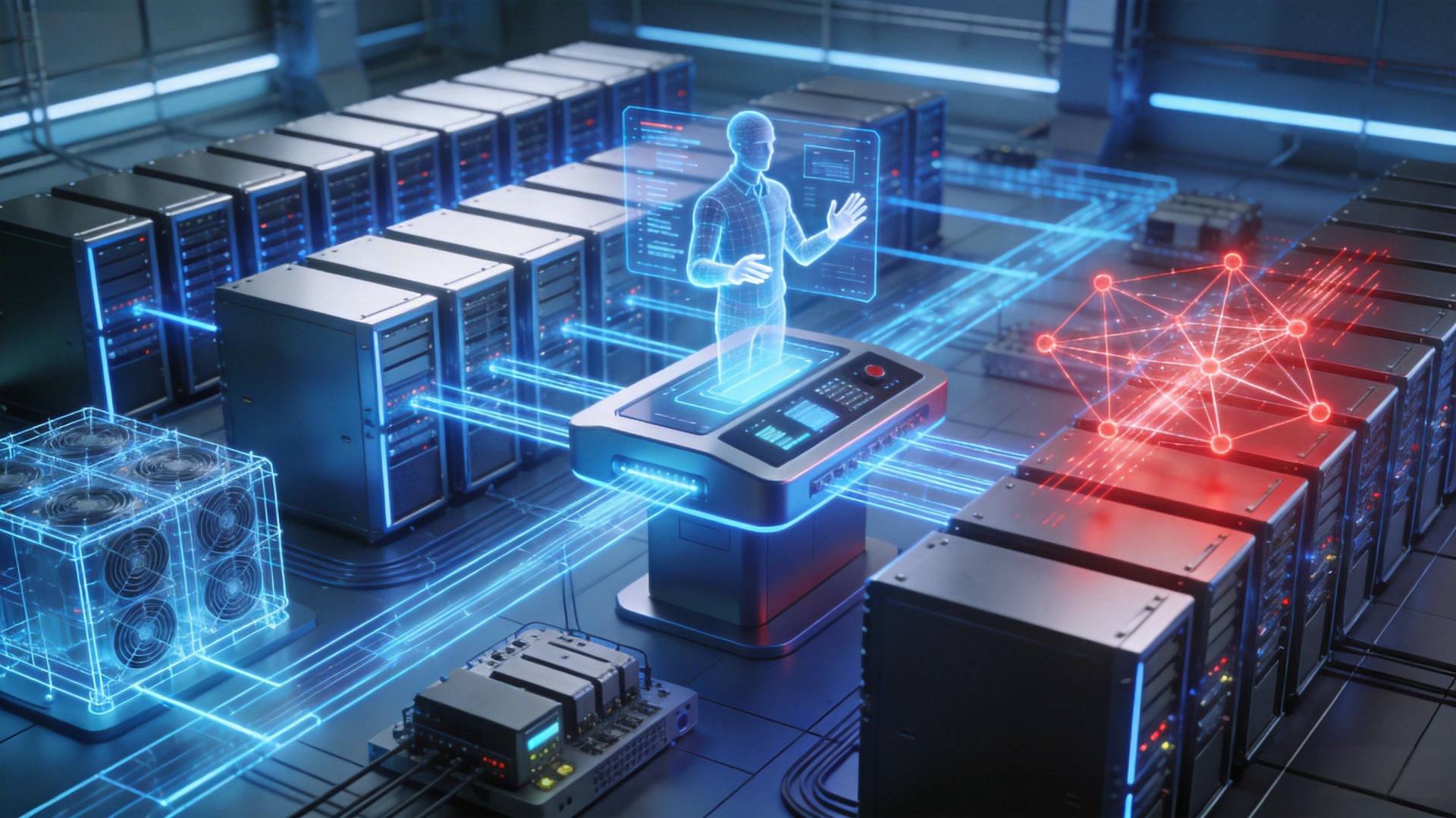
뉴스를 보았을 것입니다. Neuralink의 뇌-컴퓨터 인터페이스가 대량 생산에 들어가고 Eon Systems는 가상 환경에 과일 파리 두뇌를 업로드했습니다. 공상 과학 소설처럼 들리는 이러한 발전은 "디지털 불멸" 을 먼 개념에서 우리 문앞까지 밀어 붙이고 있습니다. 하지만 오늘은 기술 사양에 당신을 묻기 위해 여기있는 것이 아닙니다. 나는 이것이 실제로 당신에게 의미하는 바에 대해 이야기하고 싶습니다. 누군가가 손실 속에서 빛을 찾고 있습니다.
먼저 뭔가에 대해 분명히하겠습니다. 사람들이 오늘 "의식 업로드" 에 대해 이야기 할 때 실제로 몇 가지 매우 다른 수준을 언급하고 있습니다.
현재 현실에 가장 가까운 것은 디지털 아바타 기술입니다.
Simply put, it's about creating a conversational, interactive digital version of your loved one using their photos, videos, and voice recordings. This is already a mature service on Yijing platform. Among the families I've helped, over 2,000 have reconnected with those they've lost through digital avatars. The one I can never forget is a mother who lost her only son—when she first heard the digital avatar say a secret only they knew, she cried. But those weren't tears of despair; they were release. In that moment, I understood—this isn't replacement at all. It's another way for love to continue.

Taking it a step further is brain-computer interface technology.
In 2026, Neuralink announced their device would enter mass production, and the results are remarkable—paralyzed patients typing and controlling robotic arms through thought is no longer news. The ultimate goal of this technology is "consciousness capture": collecting neural signals from the brain to generate a "mental snapshot" containing memories and thought patterns. Elon Musk even outlined a vision of "semi-immortality": when the body reaches its limit, allowing consciousness to continue in a digital carrier.
The frontier field—this one sounds like divine intervention.
Eon Systems는 2026 년 3 월에 연구를 발표했습니다. 그들은 초파리에서 139,255 개의 뉴런을 컴퓨터로 완전히 복제했으며, 사전 프로그래밍 된 스크립트 나 AI 교육없이 가상 초파리가 걷고, 손질하고, 음식을 찾기 시작했습니다. 인간이 완전한 동물의 뇌를 디지털 방식으로 성공적으로 시뮬레이션 한 것은 이번이 처음입니다. 과학자들은 이제 마우스 뇌 (약 7 천만 개의 뉴런) 를 연구하기 위해 이러한 동일한 원칙을 적용하고 있으며 궁극적 인 목표 인 인간의 뇌를 추측 할 수 있습니다.

하지만 솔직히 우리는 여전히 진정한 "의식 업로드" 와는 거리가 멀다
The human brain has 86 billion neurons—over 600,000 times more than a fruit fly. And the even more crucial question: 의식은 정확히 무엇입니까? 정말 "업로드" 할 수 있습니까?
과학자들과 철학자들은 합의에 도달하지 않고 수세기 동안 이것을 논쟁 해 왔습니다. 주류 신경 과학은 의식이 신경망의 정보 전달에서 나온다고 믿지만 이러한 정보 활동과 같은지 여부는 아무도 확실하게 말할 수 없습니다.
그런 다음 고려해야 할 더 개인적인 질문이 있습니다. 기술이 진정으로 이것을 달성 할 수 있더라도 원하는 것입니까?
When facing the immense void left by loss, we naturally crave connection in any form possible. I deeply understand that urgency—just to see them one more time, regardless of form. But as someone who has witnessed the grieving process countless times, I need to remind you:
Digital avatars are not tools for escaping reality. They're a way to help you carry memories forward while accepting loss.
In my work at Yijing, I've seen people unable to move through grief because they became too dependent on digital avatars. There was a father who spent over ten hours every day talking to his digital daughter, eventually even avoiding real-world social interactions and work. That's really not a healthy state.
Digital avatars should become light in your life, not fog that makes you lose your way within them.
So at this moment in 2026, how should we view these technologies?
My suggestion is simple:
Treat technology as emotional support assistance, don't expect it to cure grief.
You can use digital avatars to preserve precious memories, but also remember—당신의 사랑하는 사람들을 진정으로 "살아있게" 유지하는 것은 당신의 삶의 연속입니다. 당신이 원하는 방식으로 잘 살고 있다는 것입니다.
기술은 전례없는 속도로 발전하고 있습니다. 아마도 언젠가는 의식 업로드가 실제로 공상 과학 소설에서 현실로 옮겨 질 것입니다. 그러나 기술이 어떻게 발전하든 한 가지는 결코 변하지 않습니다.
사랑은 진정으로 떠나지 않습니다.
Those you love continue existing through your memories, your actions, your kindness toward this world. Digital technology just lets us see this truth more clearly.
About the Author
엘레나 호손
Stanford University에서 컴퓨터 과학 학사, MIT에서 Affective Computing 박사, Yijing Digital Avatar Platform 창립자, 국제 슬픔 상담사 협회 인증 회원. 12 년간의 디지털 아바타 기술 R & D 경험, 8 년간의 슬픔 상담 연습. 그녀의 "Memory Imprint" 디지털 아바타 시스템은 2,000 명 이상의 가족이 정서적 관계를 재건하는 데 도움이되었으며 2024 년 "디지털 인간 중심 관리의 글로벌 리더 3 위" 중 한 명으로 선정되었습니다.
She firmly believes: technology should serve human emotional needs, not cold data displays. On the Yijing platform, she personally responds to users' emotional questions every day because she knows—a warm response might be the strength someone needs most that day.