The Hollow of Night: When Loss Meets the Promise of Technology
You know that feeling? Three in the morning, suddenly awake, wanting to hear his voice just one more time, but there's only empty air to talk to. That hollow ache—I get it. As a grief counselor for eight years, I've heard too many stories just like this. The tears at midnight, whispers to photographs, those moments of wanting to ask "Do you remember?" one last time with no one to answer.
But in 2026, something is shifting.
You might have seen the news—Neuralink's brain-computer interface is entering mass production, Eon Systems uploaded a fruit fly brain into a virtual environment. These advances that sound like science fiction are pushing "digital immortality" from a distant concept right to our doorstep. But today I'm not here to bury you in technical specifications. I want to talk about what these things actually mean for you—someone searching for light amidst loss.
Let me be clear about something first: when people talk about "consciousness upload" today, they're actually referring to several very different levels
The closest to our present reality is digital avatar technology.
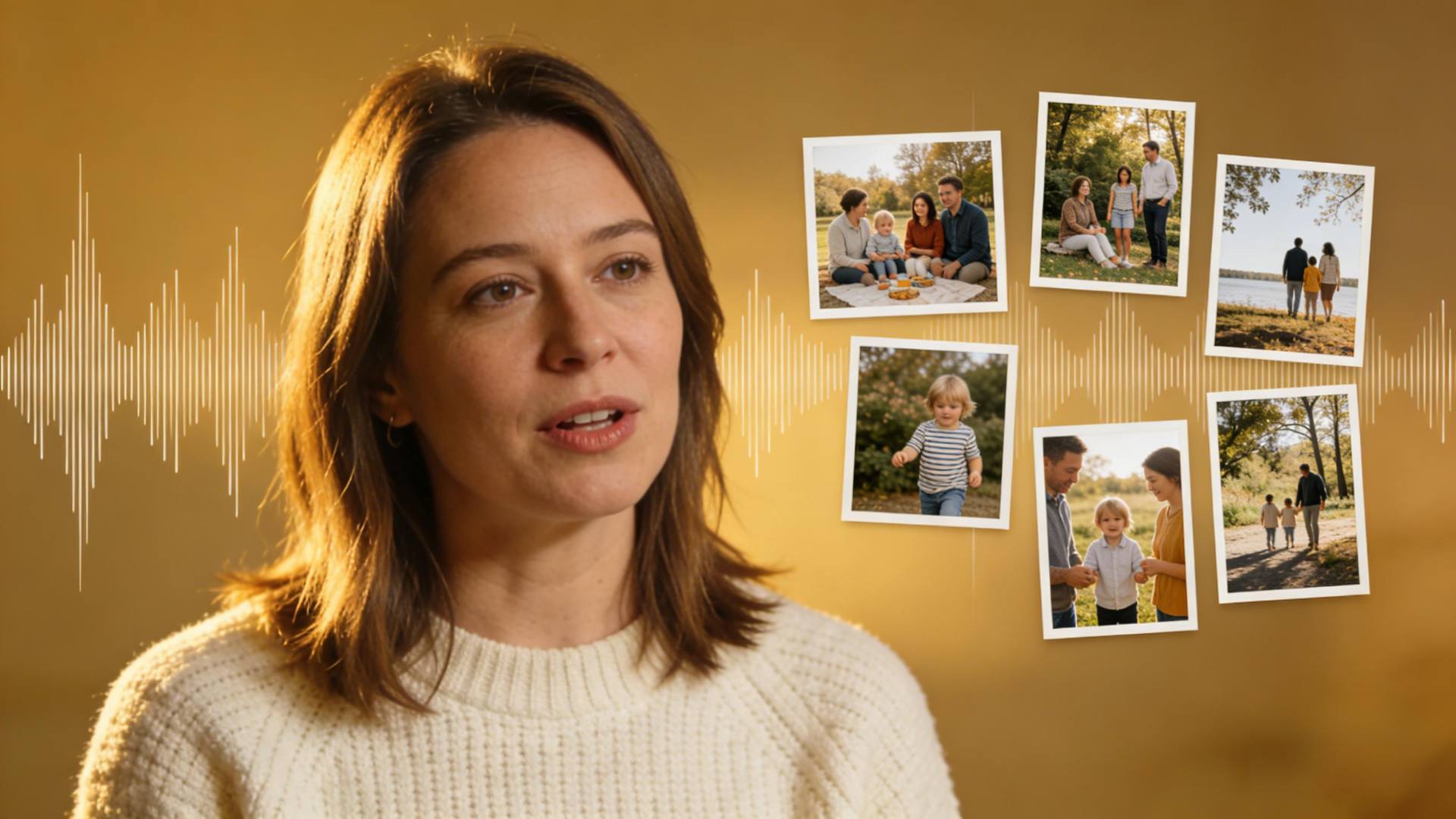
Simply put, it's about creating a conversational, interactive digital version of your loved one using their photos, videos, and voice recordings. This is already a mature service on Yijing platform. Among the families I've helped, over 2,000 have reconnected with those they've lost through digital avatars. The one I can never forget is a mother who lost her only son—when she first heard the digital avatar say a secret only they knew, she cried. But those weren't tears of despair; they were release. In that moment, I understood—this isn't replacement at all. It's another way for love to continue.

Taking it a step further is brain-computer interface technology.
In 2026, Neuralink announced their device would enter mass production, and the results are remarkable—paralyzed patients typing and controlling robotic arms through thought is no longer news. The ultimate goal of this technology is "consciousness capture": collecting neural signals from the brain to generate a "mental snapshot" containing memories and thought patterns. Elon Musk even outlined a vision of "semi-immortality": when the body reaches its limit, allowing consciousness to continue in a digital carrier.
The frontier field—this one sounds like divine intervention.
Eon Systems published research in March 2026: they completely replicated 139,255 neurons from a fruit fly into a computer, and that virtual fruit fly, without any pre-programmed script or AI training, started walking, grooming itself, and searching for food. This is the first time humans have successfully digitally simulated a complete animal brain. Scientists are now applying these same principles to study mouse brains (about 70 million neurons), and you can guess the ultimate target—the human brain.

But honestly, we're still very far from true "consciousness upload"
The human brain has 86 billion neurons—over 600,000 times more than a fruit fly. And the even more crucial question: what exactly is consciousness? Can it really be "uploaded"?
Scientists and philosophers have been debating this for centuries without reaching consensus. Mainstream neuroscience believes consciousness emerges from information transmission in neural networks, but whether it equals these information activities—no one can say for certain.
Then there's a more personal question I need you to consider: even if technology can truly achieve this, is it what you want?
When facing the immense void left by loss, we naturally crave connection in any form possible. I deeply understand that urgency—just to see them one more time, regardless of form. But as someone who has witnessed the grieving process countless times, I need to remind you:
Digital avatars are not tools for escaping reality. They're a way to help you carry memories forward while accepting loss.
In my work at Yijing, I've seen people unable to move through grief because they became too dependent on digital avatars. There was a father who spent over ten hours every day talking to his digital daughter, eventually even avoiding real-world social interactions and work. That's really not a healthy state.
Digital avatars should become light in your life, not fog that makes you lose your way within them.
So at this moment in 2026, how should we view these technologies?
My suggestion is simple:
Treat technology as emotional support assistance, don't expect it to cure grief.
You can use digital avatars to preserve precious memories, but also remember—what truly keeps your loved ones "alive" is the continuation in your life, is you living well in the way they would want.
Technology is advancing at unprecedented speed. Perhaps one day, consciousness upload really will move from science fiction to reality. But no matter how technology develops, one thing never changes:
Love never truly leaves.
Those you love continue existing through your memories, your actions, your kindness toward this world. Digital technology just lets us see this truth more clearly.
About the Author
Elena Hawthorne
Bachelor of Computer Science from Stanford University, PhD in Affective Computing from MIT, Founder of Yijing Digital Avatar Platform, Certified Member of the International Association of Grief Counselors. 12 years of experience in digital avatar technology R&D, 8 years of grief counseling practice. Her "Memory Imprint" digital avatar system has helped over 2,000 families rebuild emotional connections, and she was named one of the "Top 3 Global Leaders in Digital Human-Centric Care" in 2024.
She firmly believes: technology should serve human emotional needs, not cold data displays. On the Yijing platform, she personally responds to users' emotional questions every day because she knows—a warm response might be the strength someone needs most that day.