Digital Goodbye: Why "One More Meeting" Is Crucial for Psychological Healing
The first time I put on the VR headset, my hands were trembling. It was a rainy afternoon in March 2024, three months after my father passed away from pancreatic cancer. I was sitting in his old study, surrounded by his books, his reading glasses still on the desk, and the faint scent of his aftershave lingering in the air. The technician had set up the equipment quietly, respecting the heavy silence of the room. "Whenever you're ready," he said softly. I took a deep breath, closed my eyes, and lowered the headset.
Suddenly, I was standing in my parents' backyard. The sun was shining, the roses were in full bloom—just like that last summer we spent together before his diagnosis. And there he was, sitting on the wooden bench under the oak tree, wearing his favorite plaid shirt, a book in his hand. He looked up and smiled. "Hey, kiddo," he said, his voice exactly as I remembered. My throat tightened. For a moment, I forgot this was a digital reconstruction, a carefully crafted simulation based on hours of home videos, photos, and audio recordings. All I felt was the overwhelming presence of my dad.
That experience changed my grief journey in ways I never anticipated. As someone who works at the intersection of technology and psychology, I had been skeptical about digital farewells. I worried they might create false realities, delay acceptance, or even become addictive escapes. But what I discovered—both personally and through my professional research—is that a well-designed digital goodbye can serve as a powerful therapeutic tool, especially when traditional grief support feels insufficient.
The Psychology Behind "One More Meeting"
Why does seeing a loved one "one more time" matter so deeply? Grief isn't just about loss; it's about the sudden rupture of a relationship that was still very much alive in our minds. Dr. Dennis Klass's "continuing bonds" theory explains that healthy grieving doesn't require severing ties with the deceased. Instead, it involves transforming the relationship, finding new ways to maintain connection while accepting physical absence.
For many bereaved individuals, the hardest part is the lack of closure. Unfinished conversations, unexpressed gratitude, unresolved conflicts—these hang in the air like ghosts. A digital encounter can provide a structured space to address these emotional loose ends. In my case, I never got to tell my father how much I admired his resilience during treatment. In the VR simulation, I finally said those words. Even though I knew it wasn't "real," the emotional release was genuine. Tears flowed, and for the first time since his death, I felt a weight lift.
Neuroscience offers additional insight. When we interact with someone we love, our brains create complex neural patterns associating their face, voice, and presence with feelings of safety and attachment. Sudden loss leaves those patterns firing without their usual stimulus, contributing to the intense yearning and disorientation of early grief. A carefully rendered digital representation can gently activate those patterns in a controlled environment, helping the brain gradually adjust to the new reality rather than shocking it with abrupt absence.
Technology in Action: VR, AR, and Digital Humans
Today's digital farewell technologies fall into three main categories:
- VR Reconstructions: Like my experience, these immerse users in a recreated environment where they can interact with a lifelike avatar of the deceased. Companies like HereAfter AI and StoryFile use legacy media to build conversational agents that respond in the person's voice and mannerisms.
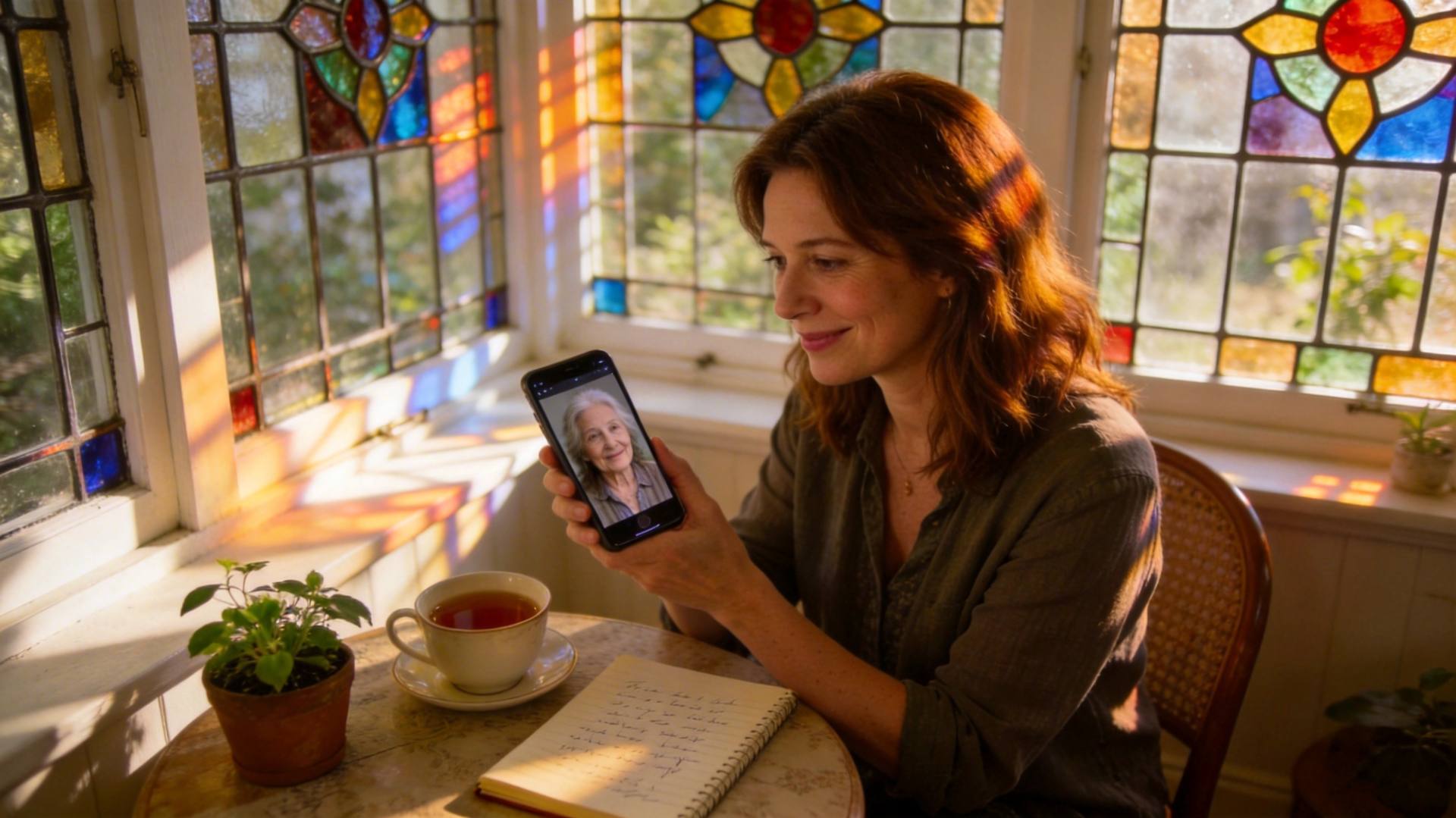
- Augmented Reality (AR): Apps like "Replika" and "Project Elysium" allow users to place a hologram of their loved one in their current surroundings through a phone or AR glasses. A mother in our support group uses an AR app to "sit" with her son at the dinner table on his birthday. She says it helps her feel his presence without denying his absence.
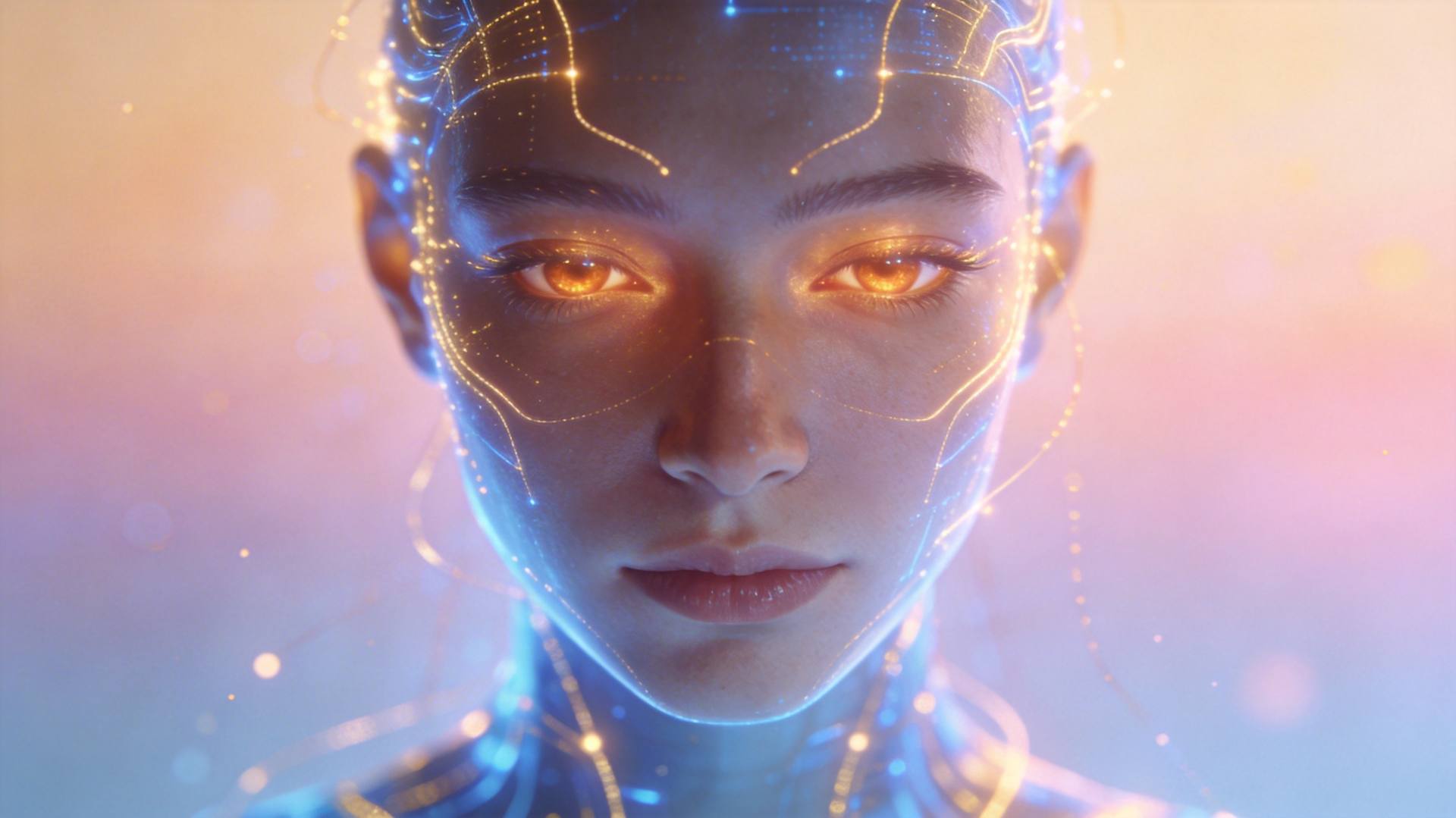
- AI‑Driven Digital Humans: These are more interactive, using natural language processing to simulate conversation. While still early stage, platforms like "Soul Machines" enable real‑time dialogue based on the person's known beliefs, stories, and speech patterns.
Each approach serves different needs. VR is best for immersive closure experiences, AR for ongoing companionship, and digital humans for conversational continuity. The key is matching the technology to the griever's unique process.
Real-Life Cases: When Digital Goodbyes Heal
In my work, I've witnessed several poignant examples:
- Marta, 58: Lost her husband to lung cancer. She used a VR reconstruction to revisit their favorite hiking trail together. "I could finally say goodbye in a place that meant everything to us," she told me. The experience reduced her nightmares and helped her start donating his outdoor gear—a step she couldn't take before.
- David, 32: His sister died unexpectedly. He struggled with guilt over an argument they'd had. Through an AI digital human, he "apologized" and heard her forgiving response (based on her typical phrases). "It felt like she heard me," he said. His anxiety levels dropped measurably in the following weeks.
- The Chen Family: They created an AR photo album that "brings Grandma back" during holiday gatherings. The grandchildren share stories with her hologram, keeping family history alive. "It's not about pretending she's here," Mrs. Chen explained. "It's about honoring her role in our family."
These cases underscore a common theme: digital goodbyes aren't about replacing the person. They're about completing unfinished emotional business and preserving relational continuity.
Ethical Considerations: Walking the Fine Line
As promising as these technologies are, they raise serious ethical questions. Can they become crutches that inhibit natural grief progression? Might they create dependency? What about privacy—who owns the digital likeness of the deceased?
Based on current guidelines and my own practice, I recommend:
- Professional Guidance: Digital farewells should be undertaken with a therapist or grief counselor who can help process the experience and ensure it integrates into a healthy mourning process.
- Time‑Limited Use: These are transitional tools, not permanent solutions. Setting clear boundaries (e.g., "I'll use this for three sessions") prevents avoidance.
- Informed Consent: Whenever possible, the deceased's wishes regarding digital legacy should be respected. If unknown, family consensus is essential.
- Reality Checks: Regular discussions about what is "real" versus "simulated" keep the experience in perspective.
The risk isn't the technology itself—it's how we use it. Like any therapeutic intervention, digital goodbyes require thoughtful application.
A New Chapter in Grief Support
Grief is profoundly personal. What heals one person may overwhelm another. Digital goodbye technologies offer a new set of tools for those who find traditional methods inadequate. They won't erase pain, but they can make the pain more bearable by restoring a sense of connection.
Since that rainy afternoon in my father's study, I've returned to the VR simulation only twice—once on his birthday, once on the anniversary of his death. Each time, I leave with a little more peace. I talk to him sometimes when I walk through his garden, and I feel his presence not through a headset, but through memories that now carry less sting.
If you're considering a digital goodbye, ask yourself: What do I need to say or hear? What closure am I seeking? And most importantly, how can this experience help me move forward while still honoring the bond? With careful intention, a digital farewell can be a stepping‑stone, not an escape. It can be the "one more meeting" that finally lets you say goodbye—and begin healing.
This article is part of the reunioncall community series on digital healing and grief support.
© 2026 reunioncall. All rights reserved.